







What's Happening?
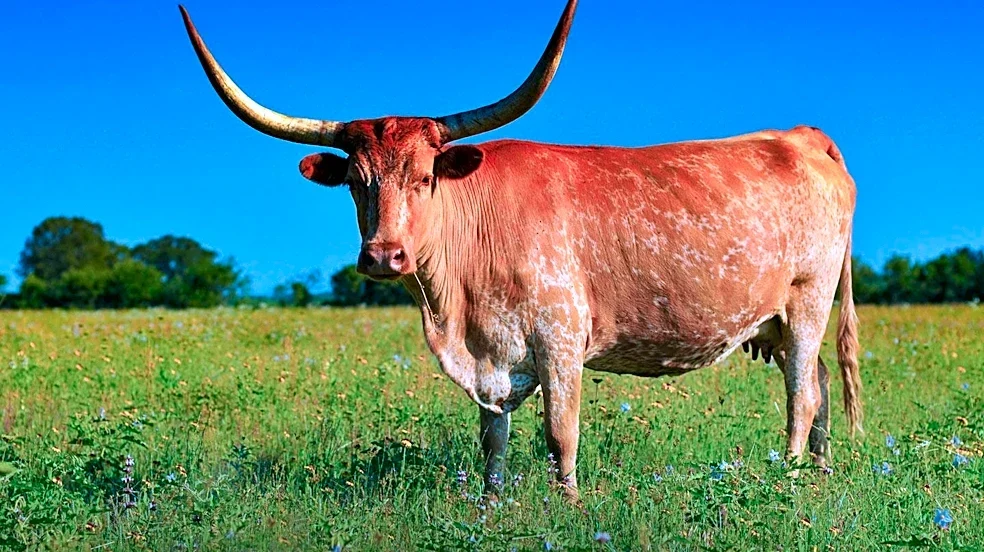
Petticoats & Pistols, in its 'Cattle Drives' archive, features the remarkable story of Margaret Borland, a woman who led a historic cattle drive in 1873. Despite facing numerous personal tragedies, including the loss of multiple family members to illness
and conflict, Borland managed a vast ranch and a herd of 8,000 cattle in South Texas. In April 1873, after a devastating blizzard decimated her herd, she made the unprecedented decision to drive 2,500 head of cattle up the Chisholm Trail to Wichita, Kansas, to secure better prices. At 49 years old, she embarked on this two-month journey with her three remaining children, a granddaughter, a nephew, and a handful of drovers. Upon her arrival in Wichita, her feat garnered significant attention, with newspapers praising her 'pluck and business tact.' Tragically, she fell ill and died in Wichita on July 5, 1873, before completing the sale of her cattle.
Why It's Important?
Margaret Borland's story is a powerful testament to the resilience and pioneering spirit of women in the American West, challenging traditional narratives of male dominance in frontier history. Her leadership of a major cattle drive, an endeavor typically undertaken by men, highlights the significant contributions of women to the economic and social development of the U.S. during the 19th century. This narrative is important for understanding the diverse roles individuals played in shaping the nation's history and economy, particularly in the challenging environment of cattle ranching and trail driving. Her ability to manage a large enterprise and make critical business decisions in the face of immense personal adversity serves as an inspiring example of entrepreneurship and determination, offering valuable insights into the historical context of American economic expansion and the often-overlooked agency of women in that process.
What's Next?
The story of Margaret Borland, as highlighted by Petticoats & Pistols, will continue to serve as an important historical reference for understanding the complexities of the American West and the roles of women within it. Authors like Pam Crooks, who referenced Borland in her book 'THE HEART OF A TEXAS COWBOY,' will likely continue to draw inspiration from such figures, integrating their stories into historical fiction and non-fiction works. This ongoing engagement with historical narratives helps to preserve and disseminate the legacies of individuals like Borland, ensuring their contributions are not forgotten. Future historical research and popular media may further explore her life, potentially leading to new interpretations or broader recognition of her impact on the cattle industry and women's history in the U.S.
Beyond the Headlines
Margaret Borland's story delves into deeper implications concerning gender roles, resilience, and the human spirit in the face of extreme adversity. Her life challenges the conventional historical portrayal of women as confined to domestic spheres, showcasing their active participation in demanding economic activities. Ethically, her narrative underscores the importance of recognizing and celebrating the contributions of all individuals, regardless of gender, in shaping historical events. Culturally, her 'pluck and business tact' became a legend, influencing perceptions of female capability and strength in a male-dominated era. Her story also highlights the brutal realities of frontier life, where personal loss and economic hardship were common, yet individuals found the strength to persevere. This long-term shift in historical understanding enriches our collective memory and provides powerful role models for future generations.