






What's Happening?
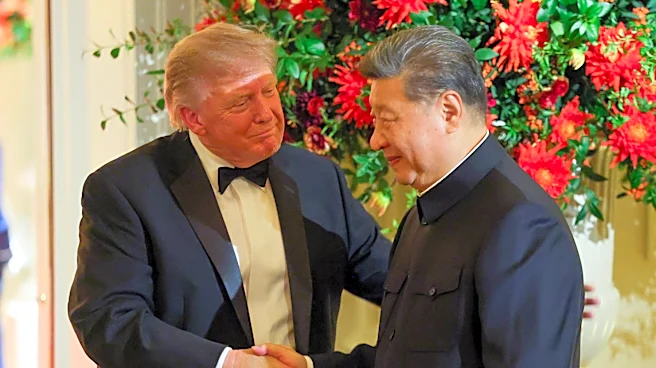
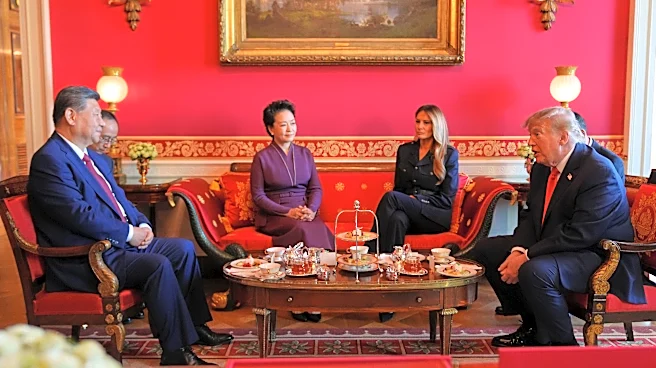
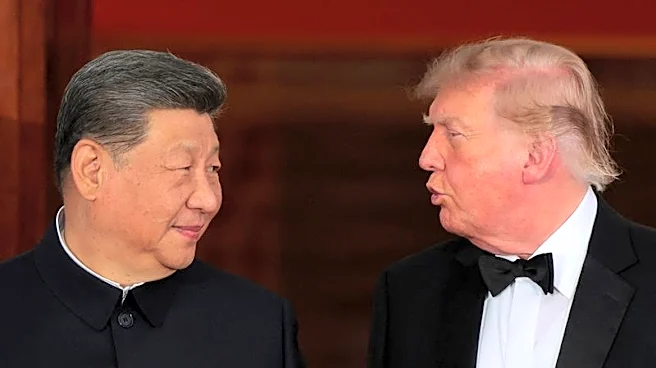
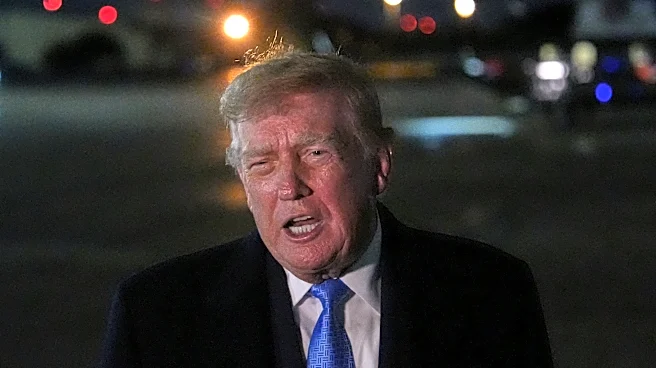
The state visit between President Trump and China's President Xi Jinping at the White House offered little in terms of concrete outcomes, characterized more by ceremonial pomp than substantive agreements. According to the source, no new trade deals were
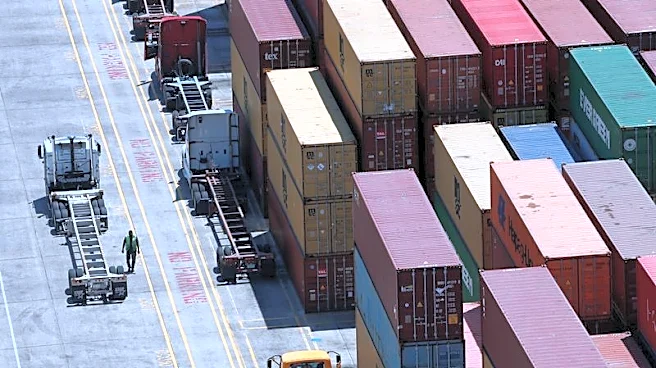
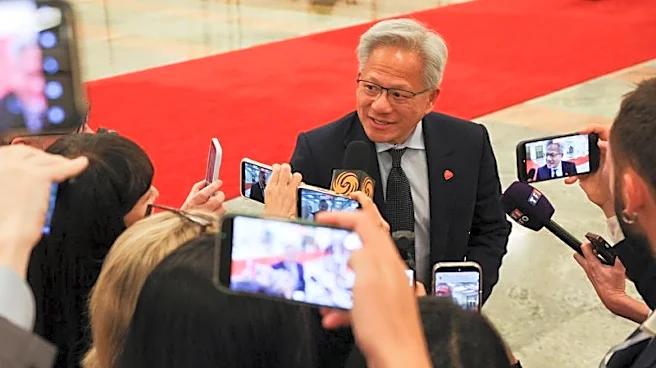
announced, nor were there any significant diplomatic breakthroughs. This visit, President Xi's first to the U.S. since 2015, notably lacked the presence of top Chinese tech or business leaders, indicating that major discussions were not on the agenda. The primary outcome was a vague agreement to extend an existing trade truce by two months, pushing its expiration from November 10 to January 10, and a commitment for future trade talks. China also agreed to purchase an additional $17 billion in U.S. soybeans and other agricultural products.
Why It's Important?
This meeting underscores the ongoing tensions and deep-seated structural differences in the U.S.-China relationship, despite the outward appearance of diplomacy. The lack of substantive agreements suggests a stalemate in addressing critical issues such as trade imbalances, technology competition, and geopolitical influence. For the U.S., the inability to secure new trade deals or significant concessions from China, particularly on technology access and intellectual property, indicates the limited effectiveness of its current strategy, which includes tariffs and sanctions. The focus on agricultural purchases, while beneficial to certain U.S. sectors, does not address the broader economic and strategic challenges posed by China's growing global economic power and its efforts to develop trade outside the U.S. dollar.
What's Next?
The extension of the trade truce provides a temporary reprieve but defers resolution of underlying trade disputes. Future meetings between President Xi and President Trump are scheduled for November during the Asia-Pacific Economic Cooperation (APEC) leaders’ meeting in China and in December during the Group of 20 (G20) summit in Florida. These upcoming summits will likely continue to be platforms for high-level discussions, but the source suggests that significant breakthroughs remain unlikely given China's consistent matching of U.S. threats and its development of independent technological capabilities. The U.S. will likely continue its efforts to counter China's economic and technological rise, while China will persist in strengthening its own industries and fostering trade relationships with countries in the Global South.
Beyond the Headlines
The state visit's emphasis on spectacle over substance reflects a broader shift in global power dynamics. The source highlights China's pivotal role in recent major political and trade gatherings involving numerous countries under U.S. sanctions, signaling a growing isolation of the U.S. and a decline in the dominance of the 'almighty dollar.' China's rapid development of its own technology, particularly in areas like electric vehicles and rare earth metals, positions it as a formidable competitor on the world market, challenging U.S. technological supremacy. This dynamic suggests a future where U.S. economic power cannot be solely declared but must be backed by long-term planning, education, and funding, areas where the U.S. is perceived to be lagging due to a focus on immediate profits.