




What's Happening?
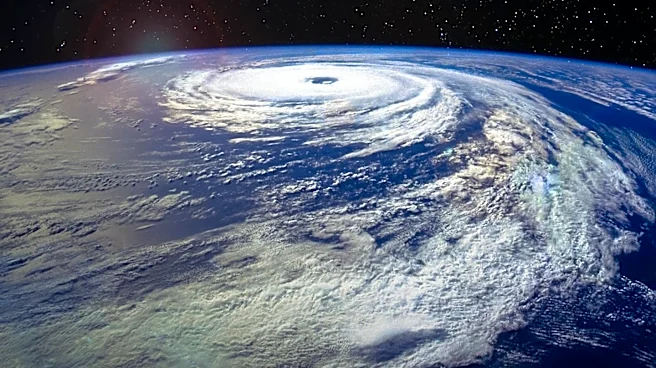
The commodity markets are facing significant disruptions due to extreme weather conditions, including a potential 'super El Niño' and persistent heatwaves in Europe. The World Meteorological Organization has predicted a strong El Niño event in the tropical
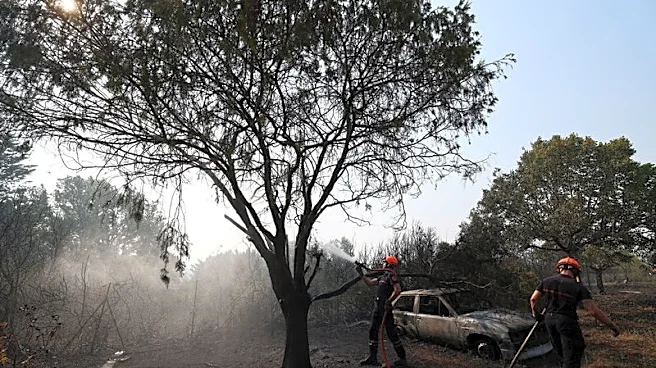
Pacific between July and September, which is expected to cause higher temperatures, drought, and heavy rainfall. These conditions are likely to affect commodity assets, as strategists warn that markets are underestimating the impact of climate volatility. Europe is currently experiencing a severe heatwave, with parts of the U.K. enduring temperatures above 30 degrees Celsius for nearly two weeks, and France facing three heatwaves this year. The extreme weather has led to the cancellation of events, such as some Bastille Day celebrations. In South Korea, new 'grave heat wave' warnings have been issued for certain regions.
Why It's Important?
The anticipated 'super El Niño' and ongoing heatwaves highlight the increasing influence of climate change on global markets. The disruptions in commodity markets could have widespread economic implications, affecting everything from agricultural yields to energy prices. Investors and businesses may need to adjust their strategies to account for the heightened risk of climate-related volatility. The situation underscores the importance of integrating climate considerations into economic planning and investment decisions. As extreme weather events become more frequent and severe, industries reliant on stable weather patterns, such as agriculture and energy, may face significant challenges.
What's Next?
As the 'super El Niño' develops, stakeholders in the commodity markets will likely monitor weather patterns closely to adjust their strategies. Governments and businesses may need to implement adaptive measures to mitigate the impact of extreme weather on supply chains and economic stability. The situation could prompt further discussions on climate resilience and the need for sustainable practices in industries vulnerable to climate change. Additionally, policymakers might consider enhancing infrastructure and emergency response systems to better cope with future climate-related disruptions.