




What's Happening?
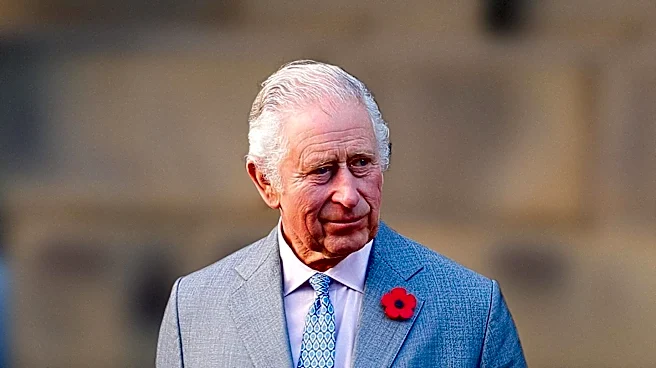
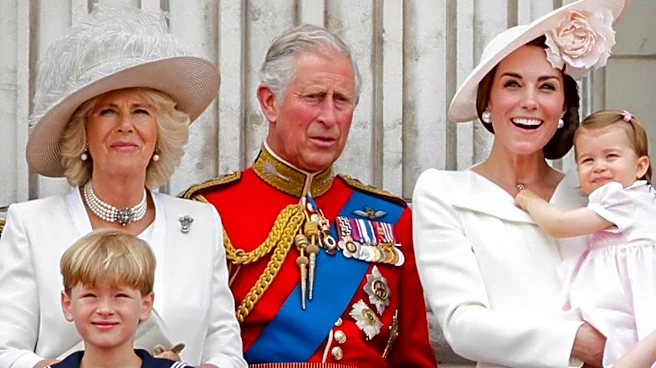
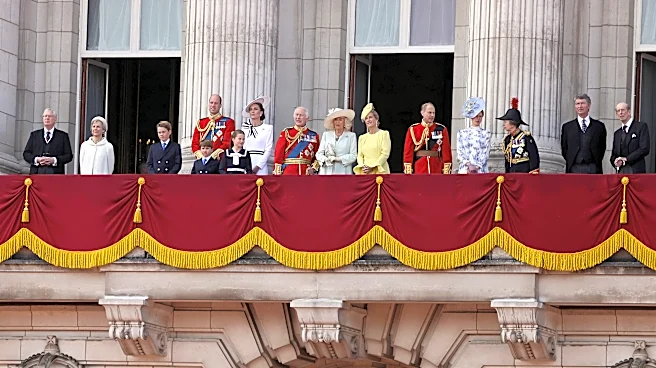
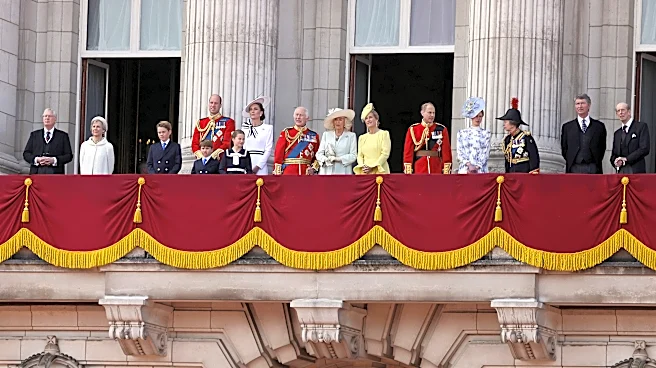
King Charles III, born on November 14, 1948, observes two birthdays annually: his actual birth date and an official birthday marked in June with the Trooping the Colour parade. This tradition dates back centuries and was established by former monarchs,
primarily due to weather considerations. The very first Trooping the Colour is believed to have occurred during the reign of King Charles II (1660-1685), but it was officially designated to mark the Sovereign's birthday in 1748. King Edward VII, whose birthday was in November, moved the official celebration to June to ensure better weather for outdoor festivities. Subsequent monarchs, including George VI and Queen Elizabeth II, continued this custom. King Charles III has chosen to uphold this tradition, celebrating his ceremonial birthday in June while acknowledging his actual birthday in November.
Why It's Important?
The tradition of the monarch having two birthdays, particularly the official celebration in June, is a significant cultural and historical practice that reinforces the continuity and ceremonial aspects of the British monarchy. While seemingly a quaint custom, it plays a crucial role in maintaining public engagement with the royal family through events like Trooping the Colour, which draws large crowds and media attention. For the U.S., this tradition offers a glimpse into the enduring nature of historical institutions and their adaptation to practical considerations, such as weather. It highlights how ceremonial events can serve to unite a nation and project a sense of stability and tradition. The continuation of such practices by King Charles III underscores the importance of heritage and established protocols within the monarchy, influencing public perception and national identity.
What's Next?
King Charles III is expected to continue the tradition of celebrating his official birthday in June with the Trooping the Colour parade throughout his reign. This annual event will remain a key fixture in the royal calendar, serving as a public display of military precision and royal pageantry. When Prince William eventually ascends to the throne, it is anticipated that he may only have a single birthday celebration, as his actual birthday falls in June. This potential change would mark a slight deviation from the established custom, reflecting a more streamlined approach while still honoring the spirit of the tradition. The ongoing observance of these traditions ensures the monarchy's visibility and its role in national life, providing a consistent point of cultural reference.
Beyond the Headlines
The dual birthday tradition for the British monarch, rooted in practical weather considerations, reveals how even deeply entrenched customs can evolve from pragmatic origins. It speaks to the monarchy's historical adaptability and its ability to blend ancient rituals with modern needs. Beyond the spectacle, Trooping the Colour serves as a powerful symbol of national unity and military pride, showcasing the armed forces and the Sovereign's role as Head of the Commonwealth. This blend of tradition and practicality offers a fascinating study in institutional longevity and cultural preservation. It also subtly highlights the monarch's role as a figurehead who embodies both historical continuity and a degree of flexibility in adapting to contemporary circumstances, ensuring the relevance of the institution in a changing world.