



What's Happening?
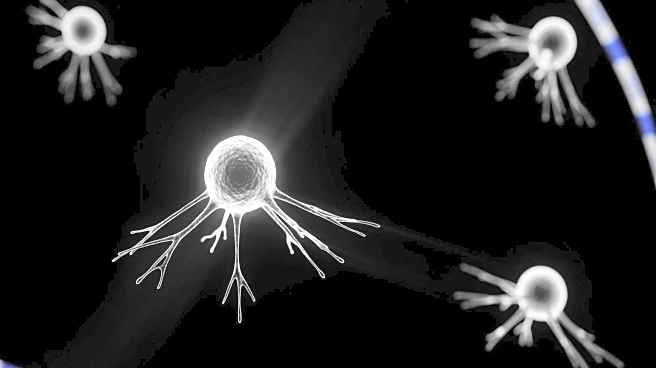
Recent research has highlighted the significant effects of microgravity on cancer cells, revealing changes in their structure and function. Under microgravity conditions, cancer cells detach from surfaces and form three-dimensional spheroids, exhibiting
altered behaviors such as differentiation, adhesion, and apoptosis. These changes are linked to disruptions in cytoskeletal integrity and gene expression pathways, potentially influencing tumor progression. The study suggests that microgravity could be used to explore new anticancer strategies by promoting apoptosis and autophagy in cancer cells. This research provides insights into how microgravity affects tumor cell behavior, offering potential therapeutic avenues.
Why It's Important?
The findings on microgravity's impact on cancer cells are significant as they open up new possibilities for cancer treatment. By understanding how microgravity induces apoptosis and autophagy, researchers can develop novel therapies that target these pathways. This could lead to more effective treatments for various cancers, particularly those resistant to conventional therapies. The study also highlights the potential of using microgravity as a model to uncover new anticancer strategies, which could revolutionize cancer treatment and improve patient outcomes.
What's Next?
Future research will likely focus on further elucidating the mechanisms by which microgravity affects cancer cells. Identifying specific pathways and receptors involved in these processes could lead to targeted therapies that exploit microgravity-induced changes. Additionally, exploring the combined effects of microgravity and other stressors, such as radiation, could provide insights into optimizing cancer treatments during space missions or in simulated environments on Earth.
Beyond the Headlines
The study of microgravity's effects on cancer cells also raises questions about the broader implications for human health in space. As space travel becomes more common, understanding how microgravity influences cellular processes is crucial for ensuring the health and safety of astronauts. This research could also inform the development of countermeasures to mitigate the adverse effects of long-term space missions on human health.