



What's Happening?
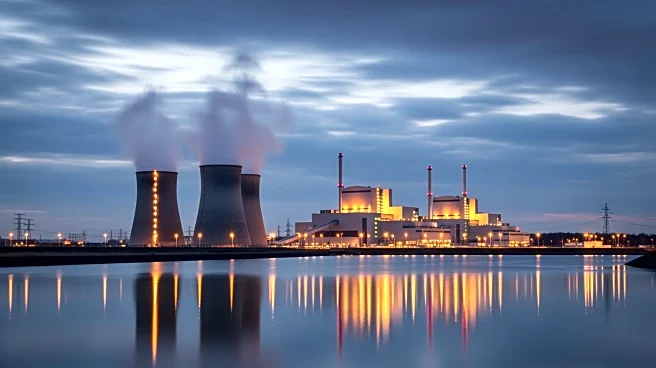
Japan has restarted operations at the Kashiwazaki-Kariwa Nuclear Power Plant, the world's largest nuclear facility, for the first time since the 2011 Fukushima disaster. The decision to restart reactor number 6 was made despite local residents' safety
concerns and was delayed by a day due to an alarm malfunction. The plant, located northwest of Tokyo, is part of Japan's efforts to revive its nuclear power industry, which was largely shut down following the Fukushima disaster. The plant's owner, Tokyo Electric Power Company (Tepco), has faced criticism for its handling of past nuclear incidents, and the restart is seen as a significant step in Japan's energy strategy to achieve net zero emissions by 2050.
Why It's Important?
The restart of the Kashiwazaki-Kariwa plant is crucial for Japan's energy policy, as the country seeks to reduce its reliance on energy imports and increase its energy self-sufficiency. Nuclear power, once a major component of Japan's energy mix, has been controversial due to safety concerns and past disasters. The move is part of a broader global trend towards nuclear energy, seen as a reliable alternative to fossil fuels. However, the high costs of safety upgrades and public opposition remain significant challenges. The decision also reflects Japan's balancing act between energy needs and public safety, with potential implications for energy policy and public trust in nuclear power.
What's Next?
Japan plans to gradually restart more reactors, aiming for nuclear power to provide 20% of its electricity needs by 2040. However, achieving this goal may be difficult due to public opposition and the financial burden of safety measures. The government may need to consider subsidies or passing costs to consumers, both of which could be politically challenging. The success of the Kashiwazaki-Kariwa restart will likely influence future decisions on nuclear energy in Japan, as well as international perceptions of nuclear power's role in sustainable energy strategies.
Beyond the Headlines
The restart of the Kashiwazaki-Kariwa plant highlights ongoing issues of trust and transparency in Japan's nuclear industry. Past scandals and safety concerns have eroded public confidence, and Tepco's ability to manage these challenges will be closely scrutinized. The situation underscores the need for robust regulatory frameworks and transparent communication to rebuild trust and ensure safety. Additionally, the economic implications of nuclear energy, including potential impacts on energy prices and industry competitiveness, will be important considerations for policymakers.