






What's Happening?
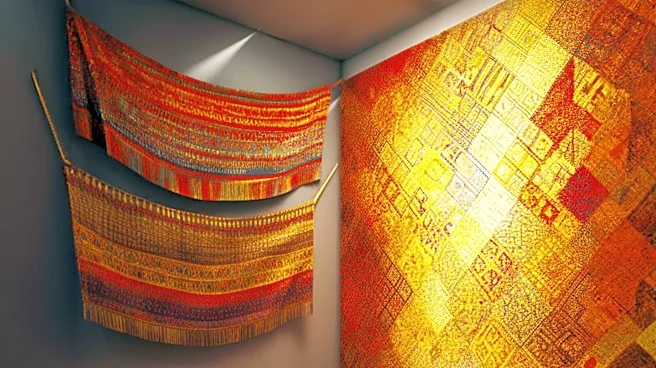
The Anti-Defamation League (ADL) and the Gordon Center for Performing Arts recently hosted 'HINENI,' an art show in Baltimore designed to showcase Jewish and Israeli artists. This event comes as the ADL's new research program, the 'state of the arts research initiative,'
systematically documents the exclusion of Jewish and Israeli voices from American culture. The research, which analyzed 40 museums nationwide, found that none included Jewish identity in their diversity and inclusion commitments, nor did they meaningfully recognize Jewish American Heritage Month. Furthermore, the ADL identified 65 documented cases of Jewish or Israeli artists being 'canceled' or harassed, with some authors reportedly asked to remove Hebrew words or Jewish character names from manuscripts to secure publishing deals. Kay Ericson, director of development at ADL's Washington, D.C., regional field office, stated that this pattern of exclusion is now verifiable. The 'HINENI' show aims to put Jewish artists and their work 'front and center' and foster conversation around antisemitism in the arts, an area Ericson believes has been overlooked compared to discussions in business and higher education since 2023 and the October 7 attacks.
Why It's Important?
This initiative is important because it sheds light on a documented pattern of exclusion and antisemitism within the American arts and culture sector, impacting Jewish and Israeli artists. The findings challenge the perception of inclusivity in cultural institutions, revealing a significant gap in diversity and inclusion commitments that often overlook Jewish identity. The 'cancellation' and harassment of artists, as well as demands to alter creative works, can stifle artistic expression and limit the representation of Jewish narratives. This situation can lead to a chilling effect, where artists may self-censor to avoid professional repercussions. By bringing these issues to the forefront through research and events like 'HINENI,' the ADL aims to advocate for greater recognition and inclusion of Jewish artists, ensuring their stories and perspectives are not marginalized. The arts play a crucial role in societal discourse and cultural identity, and their exclusion sends a message that Jewish identity may not belong in the conversation, potentially impacting public understanding and fostering a less inclusive cultural landscape.
What's Next?
The ADL plans to continue its work in documenting and addressing antisemitism and exclusion in the arts. The 'HINENI' art show is a traveling exhibition, suggesting that similar events may be organized in other locations to raise awareness and provide platforms for Jewish and Israeli artists. The ADL's research initiative will likely continue to monitor cultural institutions and advocate for changes in their diversity and inclusion policies to explicitly include Jewish identity. There may be increased pressure on museums, publishing houses, and other arts organizations to review and revise their practices to ensure equitable representation and prevent discrimination. The ongoing dialogue sparked by these findings could lead to broader discussions within the arts community about the definition of inclusivity and the importance of supporting diverse voices, including those of Jewish and Israeli artists. The ADL's efforts aim not just to document the problem but to actively effect change by creating spaces and opportunities for these artists.
Beyond the Headlines
The documented exclusion of Jewish and Israeli artists from American cultural institutions raises deeper questions about the criteria for diversity and inclusion and the potential for certain identities to be overlooked or actively marginalized within these frameworks. This situation highlights the complex and sometimes contentious nature of identity politics in the arts, where the pursuit of diversity can inadvertently lead to the exclusion of other groups. The reported instances of artists being asked to remove Jewish elements from their work touch upon issues of artistic freedom and cultural authenticity, suggesting a pressure to conform to certain narratives or avoid perceived controversies. This trend could lead to a homogenization of cultural expression, where unique perspectives are suppressed. Furthermore, the focus on antisemitism in the arts, particularly in the wake of recent global events, underscores the ongoing need for vigilance against all forms of prejudice and discrimination within cultural spheres, emphasizing that the arts, while often seen as progressive, are not immune to societal biases.