




What's Happening?
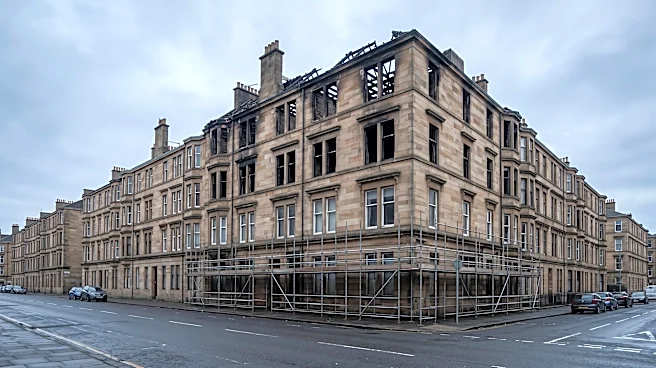
MSP Paul Sweeney has strongly condemned an act of arson that severely damaged a multi-million-pound tenement renovation project in Glasgow, Scotland. The fire, which engulfed the top floor of a derelict building on Barloch Street, Possilpark, occurred
after rumors circulated that the flats were intended for asylum seekers. Sweeney stated that these rumors were false and misleading, clarifying that the renovated properties were designated for homeless individuals on the NG Homes housing waiting list, which is significantly oversubscribed. Emergency services responded to the blaze, with six fire crews and specialist units working to extinguish the fire. While there were no reported casualties, the incident is being investigated as a potential case of willful fire-raising, with evidence suggesting an accelerant was used. The building had been derelict for 20 years, and the renovation project had secured nearly £3 million in government investment to provide much-needed housing in a city facing a housing emergency.
Why It's Important?
This incident highlights the dangerous consequences of misinformation and its potential to incite vandalism and undermine community development efforts. The spread of false narratives regarding asylum seekers and housing can lead to social unrest and the destruction of valuable community assets. In this case, a significant investment aimed at addressing homelessness has been jeopardized, impacting those most in need of housing. The event underscores the broader challenge of combating disinformation, particularly when it targets vulnerable populations or public projects. It also reflects how local issues can be inflamed by broader societal anxieties and prejudices, leading to tangible harm and setting back progress in urban regeneration and social welfare initiatives. The incident serves as a stark reminder of the importance of accurate information and responsible public discourse in maintaining social cohesion and protecting community resources.
What's Next?
Authorities will continue their investigation into the cause of the fire, with a focus on determining if it was indeed a deliberate act of arson. If confirmed, efforts will be made to identify and prosecute those responsible. The extent of the damage to the tenement flats will be assessed to determine the future of the £3 million renovation project. It is likely that there will be discussions about increased security measures for such projects, especially in areas where misinformation has been actively spread. MSP Paul Sweeney and other elected representatives are expected to continue their efforts to counter disinformation and educate the public about the true purpose of community housing initiatives. There may also be calls for social media platforms to take more proactive steps in addressing the spread of harmful and false information that can lead to real-world consequences.
Beyond the Headlines
The arson attack on the Glasgow tenement flats reveals a deeper societal issue concerning the weaponization of misinformation, particularly against marginalized groups like asylum seekers and the homeless. This incident is not merely about property damage; it reflects a growing trend where online rumors and disinformation campaigns can translate into tangible acts of violence and destruction. The ethical implications of spreading unverified information are profound, as it can foster an environment of fear, prejudice, and hostility within communities. This event also touches upon the broader challenge of social inequality and the housing crisis, where competition for resources can be exploited by those seeking to sow division. The long-term shift could be an increased need for public officials and community leaders to actively engage in fact-checking and transparent communication to counteract such narratives, ensuring that vital social projects are not derailed by malicious falsehoods.