


What's Happening?
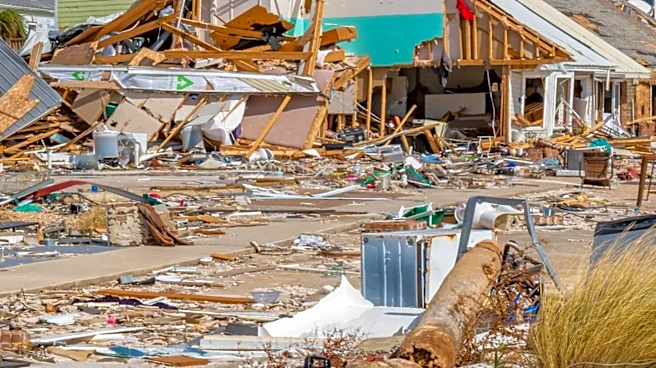
U.S. House Representative Seth Magaziner is actively working with town leaders to secure $250,000 in federal funding for a town beach in Rhode Island. This initiative comes as the beach has been significantly impacted by storms and erosion, leading to a reduction
in its shoreline. The federal funding aims to address these environmental challenges, ensuring the beach remains open and accessible to the public. Magaziner's efforts highlight a focus on local infrastructure and environmental protection within his constituency. While the specific town is not named in the provided information, the emphasis is on the direct impact of natural forces on coastal areas and the need for federal intervention to mitigate these effects. This action is part of broader efforts to support local communities in maintaining public amenities and addressing environmental degradation.
Why It's Important?
The securing of federal funding for a local town beach in Rhode Island is important for several reasons. Firstly, it underscores the critical role of federal support in addressing localized environmental issues, particularly those exacerbated by climate change and severe weather events. Coastal communities across the U.S. are increasingly vulnerable to erosion and storm damage, making such funding vital for their resilience and sustainability. Secondly, maintaining public access to recreational areas like town beaches contributes to the quality of life for residents and can support local economies through tourism and leisure activities. The loss of beach access due to erosion can have significant negative impacts on both community well-being and economic stability. This initiative also demonstrates a direct response by a federal representative to the immediate needs of their constituents, highlighting the practical application of legislative efforts at a local level.
What's Next?
The next steps involve the formal allocation and disbursement of the $250,000 federal funding. Once secured, the town leaders, in collaboration with Representative Magaziner's office, will likely proceed with planning and implementing the necessary projects to combat erosion and restore the beach. This could include engineering solutions, sand replenishment, or other coastal protection measures. There may also be ongoing monitoring of the beach's condition to assess the effectiveness of these interventions and determine if further funding or actions are required in the future. Additionally, this successful funding effort could serve as a precedent or model for other coastal communities facing similar challenges, potentially encouraging more federal investment in coastal resilience projects across the nation.
Beyond the Headlines
Beyond the immediate benefit of beach restoration, this event touches upon deeper implications regarding environmental policy and federal responsibility. The increasing frequency and intensity of storms, often linked to climate change, place immense pressure on coastal infrastructure and natural landscapes. This funding highlights a growing recognition at the federal level of the need to invest in adaptation and resilience strategies for vulnerable areas. It also raises questions about long-term funding mechanisms for environmental protection and the balance between local and federal responsibilities in managing natural resources. The effort to keep the beach 'open and accessible' also speaks to the broader societal value placed on public spaces and the equitable distribution of environmental benefits, ensuring that natural amenities remain available to all citizens despite environmental threats.