






What's Happening?
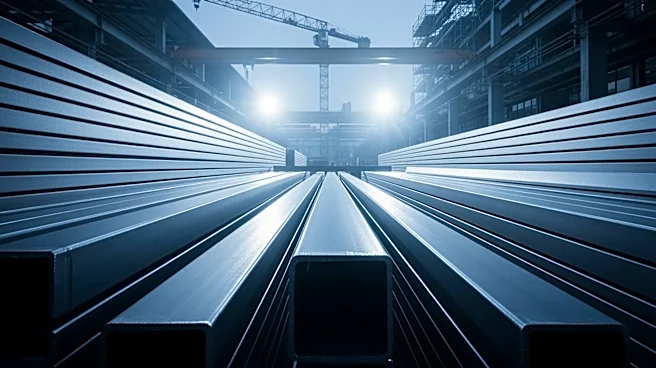
A new U.S. Senate bill, known as the Build Nuclear with Local Materials Act, aims to reduce regulations on building materials used in nuclear plants. The bill proposes allowing the use of commercial-grade steel and concrete in non-safety-related parts
of nuclear plants, as opposed to the more expensive nuclear-grade materials. This legislative effort is part of a broader initiative by federal officials to lower costs and accelerate the development of nuclear power to meet growing energy demands. The bill is co-sponsored by Senator Cynthia Lummis of Wyoming and Senator Mark Kelly, and has garnered support from industry and public policy groups, including C3 Solutions. Proponents argue that the change will provide more opportunities for local manufacturers and skilled workers, while reducing unnecessary expenses. However, there are concerns about potential safety implications, as expressed by Edwin Lyman, the Nuclear Power Safety Director at the Union for Concerned Scientists.
Why It's Important?
The proposed legislation could significantly impact the nuclear energy sector by potentially lowering the costs associated with building nuclear plants. This could lead to increased investment and development in nuclear energy, which is seen as a crucial component in the transition to cleaner energy sources. By allowing the use of less expensive materials, the bill could make nuclear projects more financially viable and attractive to investors. However, the debate over safety remains a critical issue. While supporters claim that safety will not be compromised, critics warn that easing regulations could lead to safety risks, particularly in retrofitting existing plants. The outcome of this legislative effort could influence the future landscape of energy production in the U.S., balancing economic benefits with safety considerations.
What's Next?
The bill is currently under consideration, with discussions and hearings taking place to evaluate its potential impacts. If passed, it could set a precedent for future regulatory changes in the nuclear industry. Stakeholders, including industry leaders, policymakers, and safety advocates, will likely continue to debate the merits and risks of the proposed changes. The Nuclear Regulatory Commission's stance and potential adjustments to its guidelines will also play a crucial role in the implementation of the bill. The decision could affect ongoing and future nuclear projects, such as the TerraPower plant in Kemmerer, Wyoming, which is already considering the use of commercial-grade materials.