








What's Happening?
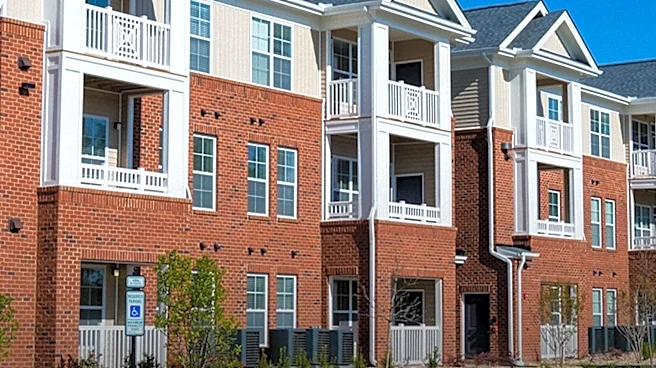
Columbus, Ohio, along with cities like Cleveland, Las Vegas, Oklahoma City, and Birmingham, Alabama, is experiencing a significant increase in multifamily housing permits, according to a July Realtor.com Renter Report. This trend contrasts with a national
decline in multifamily approvals, which are 13.1% lower than five years ago. The increase in these cities is attributed to density-friendly zoning reforms and construction initiatives, such as Columbus's 'Zone In' plan, which aims to add up to 88,000 new homes over the next decade. This surge in construction is expected to provide more housing options and potentially make the rental market more affordable over time.
Why It's Important?
The increase in apartment construction in these midsize cities could have significant implications for renters, potentially easing the affordability crisis by increasing housing supply. As more apartments become available, rental prices may stabilize or decrease, providing relief to cost-burdened renters. This trend also highlights the importance of local zoning reforms in addressing housing shortages and affordability issues. However, the national decline in multifamily approvals suggests that many areas still face challenges in meeting housing demand, particularly in high-cost cities where demand outpaces supply.
What's Next?
As these cities continue to implement zoning reforms and increase housing supply, the impact on rental prices and affordability will be closely monitored. Policymakers and housing advocates will need to assess the effectiveness of these initiatives and consider additional measures to address housing shortages in other regions. The success of these efforts could serve as a model for other cities facing similar challenges, potentially leading to broader policy changes at the state and national levels.