






What's Happening?
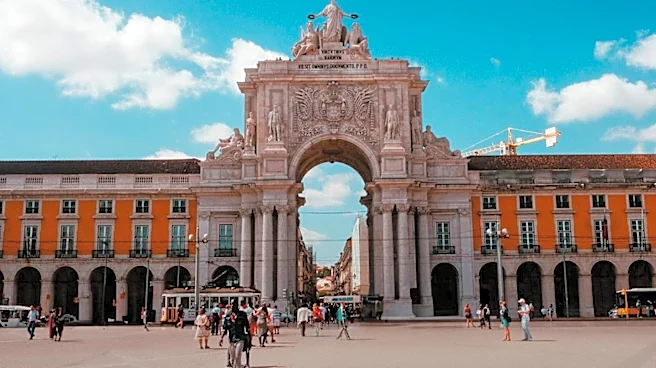
Portugal presents a versatile travel destination, accommodating visitors across all seasons with distinct experiences. Spring (March to May) and early autumn (September to October) are generally considered the most balanced times, offering mild temperatures,
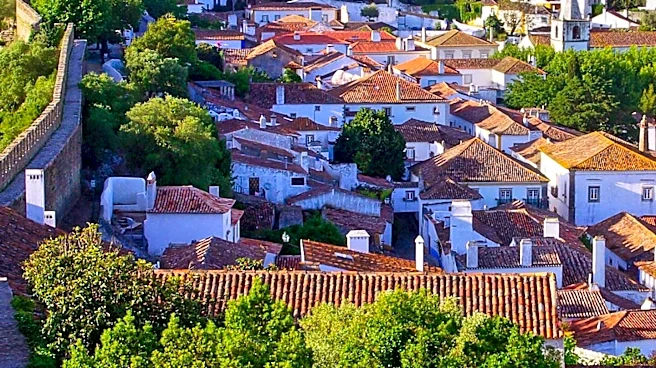
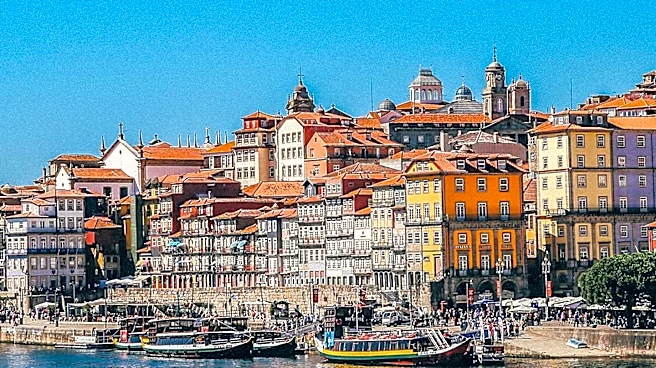
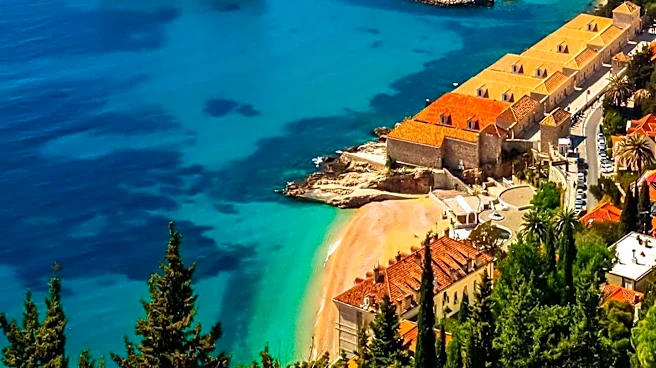
longer daylight hours, and fewer crowds, ideal for city breaks, road trips, and sightseeing. Summer (June to August) is characterized by hot, lively conditions, particularly suitable for beach holidays in the Algarve, though it also brings higher prices and increased tourist density. Winter (November to February) is the most budget-friendly period, with cooler, wetter weather, making it ideal for city breaks, museum visits, and cultural exploration in a quieter atmosphere. Regional climate variations are significant, with the north being cooler and wetter, the Alentejo experiencing very hot summers, and the Algarve enjoying abundant sunshine. The best time to visit largely depends on individual preferences, whether focusing on beaches, festivals, hiking, city sightseeing, or cost-effectiveness.
Why It's Important?
The diverse seasonal offerings of Portugal are important for U.S. travelers as they provide a wide range of options to suit different vacation styles and budgets. This flexibility allows for more strategic planning, enabling tourists to optimize their trips based on desired activities, weather conditions, and cost considerations. For instance, those seeking vibrant beach experiences might opt for summer, while culture enthusiasts or budget-conscious travelers might prefer the quieter winter months. This detailed understanding of seasonal variations can enhance the travel experience, preventing potential disappointments related to weather or crowds. Furthermore, the regional climate differences highlight the importance of tailoring itineraries to specific areas, ensuring that U.S. visitors can fully enjoy the unique characteristics of each Portuguese region, from the wine valleys of the Douro to the sunny coasts of the Algarve. This comprehensive approach to tourism also supports a more sustainable industry by distributing tourist flow across different times of the year and various regions.
What's Next?
Travelers planning a trip to Portugal should consider their primary interests and budget to select the most appropriate season and region. For those prioritizing comfortable weather and fewer crowds, booking during spring or early autumn is advisable. Summer travel to the Algarve or other coastal areas will require advance booking due to high demand and increased prices. Winter visitors can expect more affordable rates and a focus on indoor cultural activities. It is recommended to check specific regional forecasts, especially for activities like hiking or beach outings. The ongoing development of niche tourism, such as wine and culinary tours, will continue to offer specialized experiences throughout the year, with particular appeal during harvest seasons in regions like the Douro Valley. Travelers should also be aware of local festivals and holidays, which can impact crowd levels and accommodation availability, especially during Easter or June festivals in Lisbon and Porto.
Beyond the Headlines
The detailed seasonal breakdown of Portugal's travel appeal underscores a broader trend in global tourism towards personalized and experience-driven journeys. This approach moves beyond generic travel advice, empowering individuals to make informed decisions that align with their personal values and expectations. The emphasis on regional diversity also highlights the importance of understanding local nuances, fostering a deeper appreciation for the country's varied landscapes, cultures, and traditions. From an environmental perspective, encouraging off-season travel and exploring less-visited regions can help mitigate the impacts of over-tourism in popular hotspots, promoting a more balanced and sustainable tourism ecosystem. This detailed guidance also reflects a growing demand for transparency and practical information in the travel industry, allowing U.S. tourists to plan trips that are not only enjoyable but also responsible and culturally enriching.