







What's Happening?
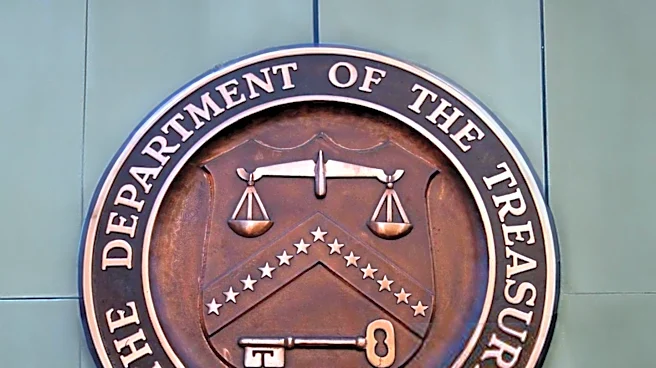
The Internal Revenue Service (IRS) and the Treasury Department are experiencing difficulties in managing a large influx of public comments on proposed tax regulations, many of which are generated by artificial intelligence (AI). According to a report
by the Government Accountability Office (GAO), the volume of comments is overwhelming, and the use of AI makes it challenging to identify duplicate submissions. The report highlights that AI can produce slightly varied comments on the same issue, complicating the IRS's ability to distinguish between them. This situation arises in the context of new tax regulations following the passage of the One Big Beautiful Bill Act, which introduced various tax deductions. The GAO recommends that the IRS develop policies to handle mass public comments, including those generated with AI assistance. Additionally, the report suggests improvements in virtual participation for tax regulatory hearings and better documentation of public comments made during these hearings.
Why It's Important?
The increasing use of AI in generating public comments on tax regulations underscores the evolving role of technology in public engagement and policy-making. This development poses significant challenges for the IRS and the Treasury, as they must adapt to new methods of public input that can influence tax policy. The inability to effectively manage and analyze these comments could impact the quality and fairness of tax regulations, potentially affecting taxpayers and tax professionals. Moreover, the report's findings highlight the need for the IRS to enhance its technological capabilities and public engagement practices to ensure that all voices are heard and considered in the rulemaking process. The situation also raises broader questions about the integrity and transparency of public participation in government decision-making.
What's Next?
The IRS and the Treasury are expected to consider the GAO's recommendations to improve their handling of public comments, particularly those generated by AI. This may involve developing new policies and procedures to better manage the volume and complexity of comments. Additionally, the IRS may explore upgrading its technology to facilitate more effective virtual participation in regulatory hearings. The departure of key IRS officials, including the acting chief counsel, may also influence how these changes are implemented. As the IRS navigates these challenges, stakeholders such as tax professionals and advocacy groups will likely continue to monitor and engage with the process to ensure that their interests are represented.