






What's Happening?
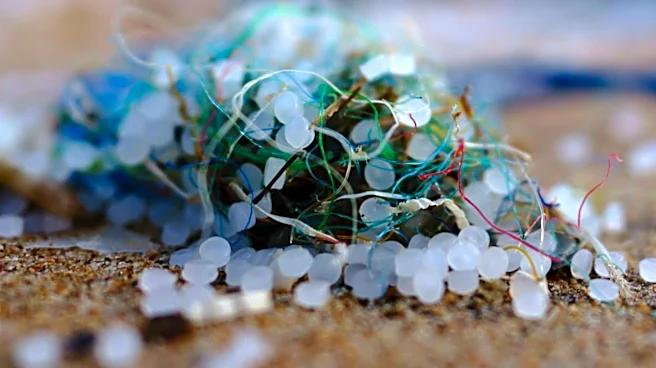
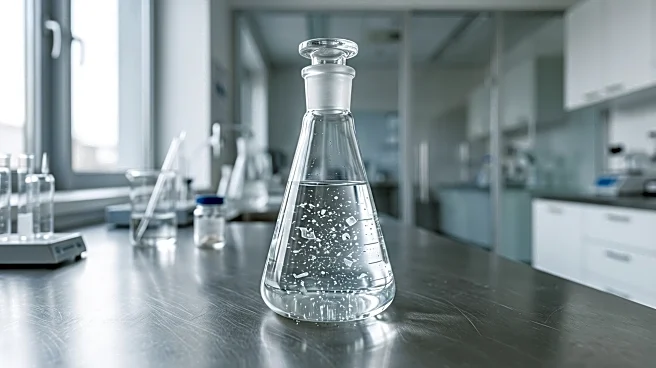
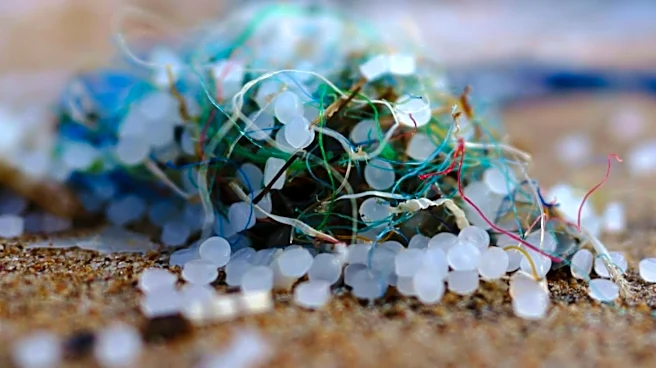
A recent study published in the journal Nature has challenged the long-held belief that plastics are chemically inert, particularly concerning microplastics. The research found that when microplastics come into contact with water, they can act as a catalyst
to create free radicals, which are unstable molecules linked to inflammation and disease in the human body. Dr. Leonardo Trasande, a pediatrician and director of the NYU Center for the Investigation of Environmental Hazards, highlighted that this study reveals micro- and nanoplastics are not inert and can cause biological harm. Unlike larger plastic pieces, microplastics possess a significantly greater surface area relative to their volume, fostering conditions conducive to chemical reactions. This finding suggests that microplastics are biologically active, contributing to oxidative stress and inflammation, which are underlying factors in numerous health conditions, including cardiovascular disease. The study focuses on the physical properties of microplastics themselves, separate from the chemicals added to or impurities within plastic materials.
Why It's Important?
This research is crucial for understanding the multi-dimensional threat plastics pose to human health, particularly in the United States. The U.S. economy reportedly incurs a $250 billion disease burden annually due to plastic chemicals, representing 1.2 percent of the gross domestic product. The study provides a mechanistic explanation for previously observed health concerns linked to microplastics, such as inflammation and hormone disruption. For instance, a New England Journal of Medicine study found that polyvinyl and polyethylene micro-nanoplastics in carotid artery plaques were associated with a fourfold increase in heart attack, stroke, and death. This new research helps unravel why such associations exist, indicating that microplastics can either deliver harmful chemicals to human tissue or directly cause inflammation through their physical properties. The findings underscore the need for increased federal investment in research to fully comprehend the effects of micro-nanoplastics and inform public policy.
What's Next?
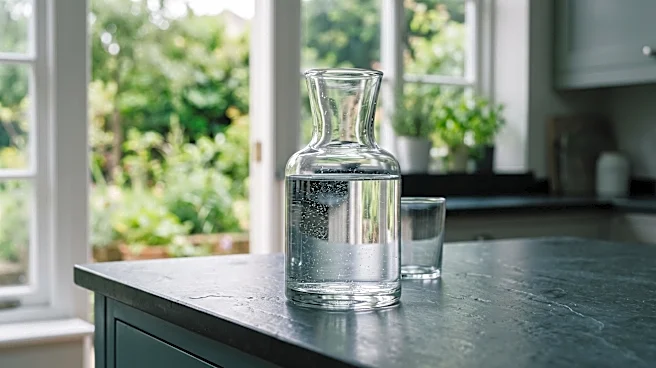
The findings are expected to fuel further conversations within the 'Make America Healthy Again' movement regarding microplastics, nanoplastics, and chemicals in plastic materials. There is an ongoing push for increased federal investment in research to better understand the effects of micro-nanoplastics on human health. Consumers are encouraged to take individual actions to reduce plastic exposure, such as using glass and stainless steel alternatives, avoiding microwaving plastics, and cooking at home with nonstick cookware alternatives. Consumer activism, as seen with the ban of BPA in baby bottles, is identified as a powerful force that can drive change at both company and public policy levels. Regulatory actions are anticipated to address the widespread use of plastics and their environmental and health impacts, aiming to rebalance economic priorities by reducing exposure to plastics.
Beyond the Headlines
The study's implications extend beyond immediate health concerns, touching upon ethical and economic dimensions. The long-held assumption of plastic's inertness has underpinned its widespread adoption in various products, from food packaging to medical devices. This new understanding challenges that foundation, suggesting a fundamental re-evaluation of plastic's role in society. The economic cost of plastic-related diseases highlights a significant externality, where the harms are borne by society despite individuals not always being direct buyers or sellers of the material. This situation, according to Dr. Trasande, would be contrary to the principles of modern economics as envisioned by Adam Smith. The research also emphasizes the interconnectedness of environmental exposures with diet and physical activity as critical factors influencing chronic disease, suggesting a need for a holistic approach to public health that includes environmental considerations.