

What's Happening?
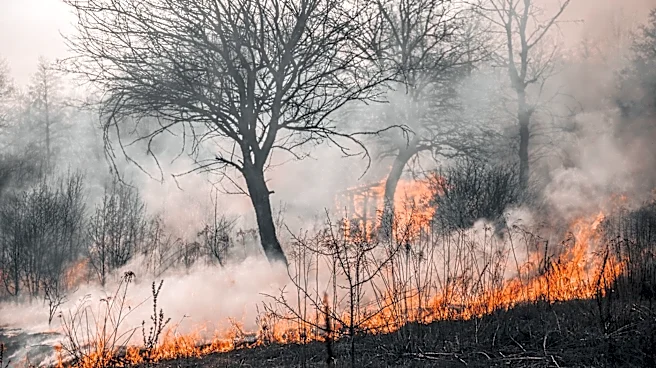
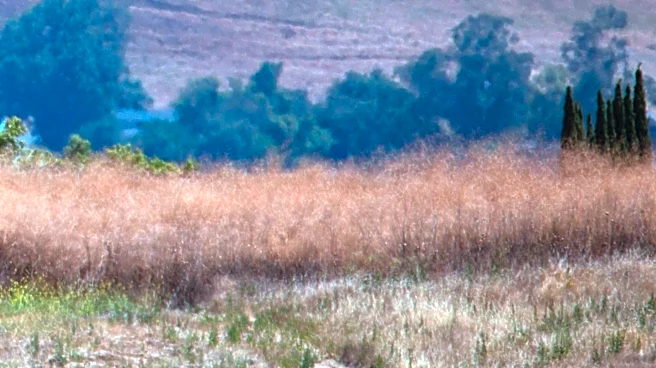
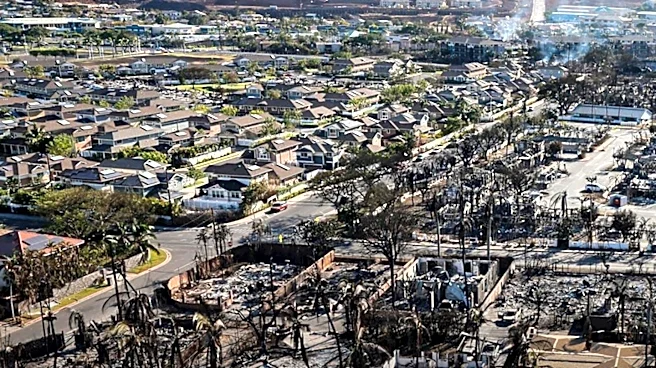
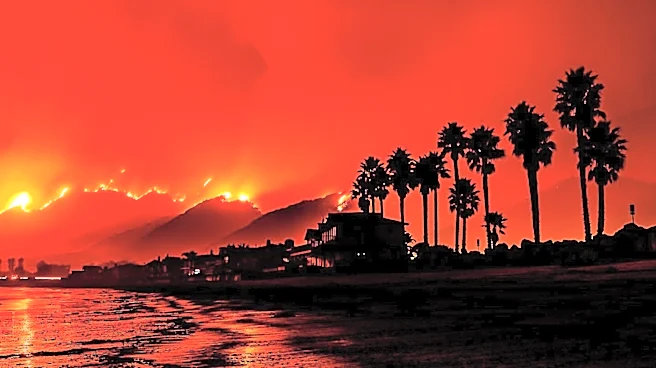
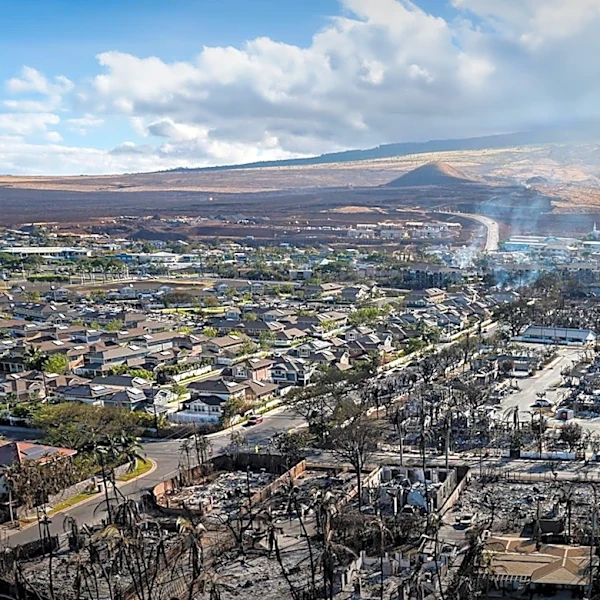
Governor Bob Ferguson has declared a statewide emergency in Washington in response to severe drought conditions, high temperatures, and record-setting wildfires. The emergency proclamation includes a ban on most outdoor and agricultural burning through
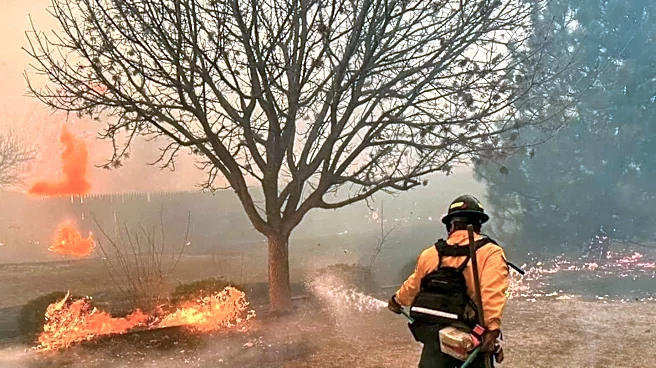
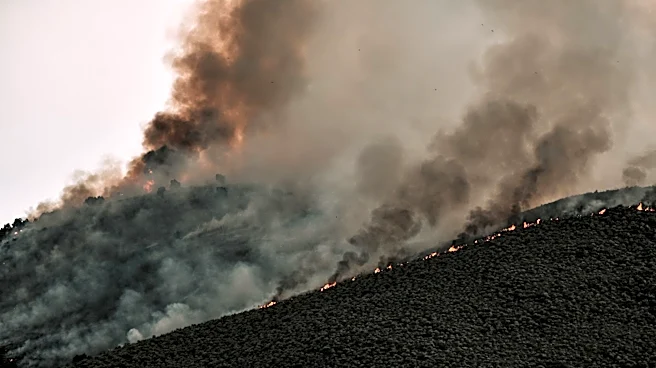
September 30. This decision comes as the National Weather Service issues a Red Flag Alert, indicating an extreme wildfire risk across Eastern Washington. The state is experiencing its fourth consecutive drought, with over 1,000 fires burning approximately 425,000 acres this year. The ban covers activities such as yard debris burning and bonfires, but allows for certain exceptions like gas-fueled stoves. The proclamation also enables Washington to access additional firefighting resources and authorizes National Guard activations.
Why It's Important?
The emergency declaration highlights the escalating wildfire threat in Washington, which poses significant risks to life and property. The ban on outdoor burning aims to mitigate these risks by reducing potential fire sources. This situation underscores the broader challenges posed by climate change, as prolonged droughts and high temperatures become more frequent. The state's ability to mobilize additional resources through the Emergency Management Assistance Compact is crucial for effective firefighting efforts. The declaration also emphasizes the need for public cooperation in preventing fires, which is vital for protecting communities and natural resources.
What's Next?
As the emergency measures take effect, state and local agencies will continue to monitor fire conditions and enforce the burn ban. The Washington State Fire Marshal's Office has mobilized task forces to combat ongoing fires, and additional National Guard members may be activated if necessary. Residents are urged to comply with the ban and avoid activities that could ignite fires. The situation will be closely watched, with potential adjustments to the emergency response as conditions evolve. The effectiveness of these measures will be critical in preventing further damage and ensuring public safety.