


What's Happening?
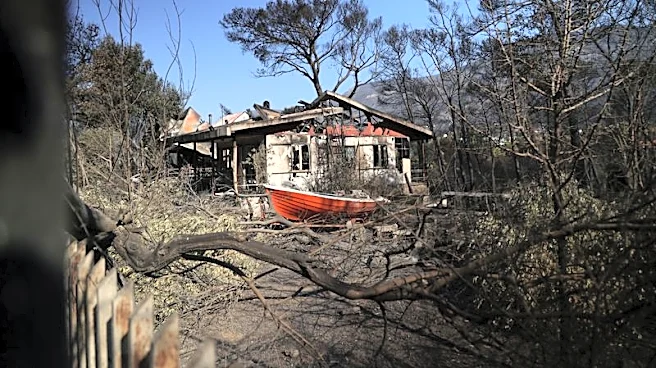
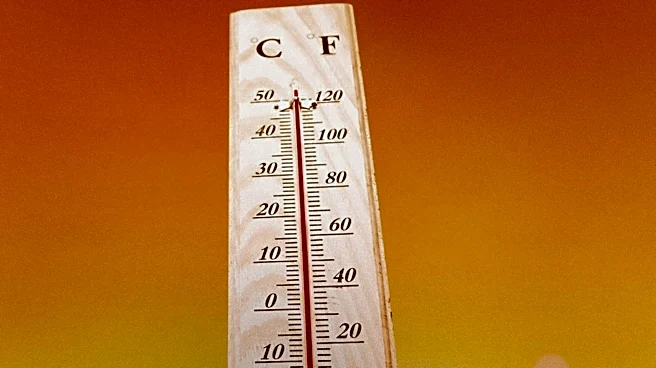
Europe is currently experiencing a severe heatwave, with Italy placing all its major cities on the highest health alert level due to extreme temperatures. This heatwave has set a national temperature record in Austria and has fueled wildfires in France.
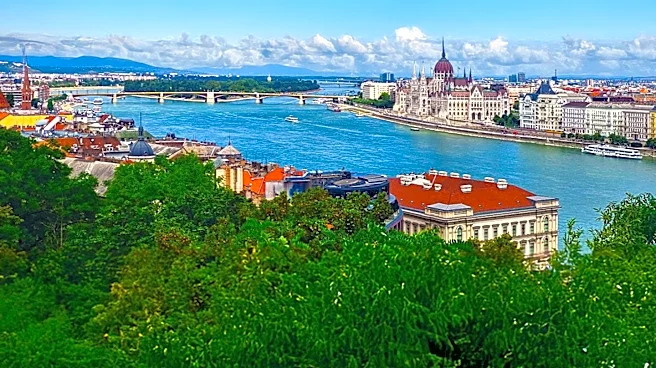
The extreme weather has disrupted energy and transport systems across the continent, with countries like Hungary and Romania taking measures to conserve energy by dimming street lights and turning off lights at landmarks. The heatwave has pushed temperatures above 40°C in several countries, prompting health warnings for millions of people. Authorities are urging residents and tourists to avoid direct sunlight during the hottest hours of the day, remain indoors where possible, and drink plenty of water. The heat has also forced adjustments at major tourist attractions, with extended evening opening hours at landmarks such as Rome’s Colosseum and Pantheon.
Why It's Important?
The heatwave highlights the vulnerabilities in public health systems, power generation, transportation networks, and tourism infrastructure across Europe. As climate change continues to drive more frequent and intense weather events, governments and businesses are forced to adapt to these new challenges. The heatwave has exposed the need for improved infrastructure resilience and emergency preparedness. The economic impact is significant, with disruptions to energy and shipping in Central Europe and adjustments in industrial operations to conserve power. The situation underscores the broader implications of climate change on public health and economic stability, affecting millions of people and various sectors.
What's Next?
As the heatwave continues, European countries are likely to implement further measures to mitigate its impact. This may include additional energy conservation efforts, adjustments in public services, and increased health advisories. The situation may prompt discussions on long-term strategies to enhance infrastructure resilience and address climate change. Authorities will need to balance immediate responses with planning for future extreme weather events. The ongoing heatwave could also influence policy decisions related to climate change adaptation and mitigation efforts at both national and international levels.
Beyond the Headlines
The current heatwave serves as a stark reminder of the growing challenges posed by climate change. It highlights the need for comprehensive strategies to address the root causes of climate change and to build more resilient societies. The situation also raises ethical questions about the responsibility of governments and industries to protect vulnerable populations and to invest in sustainable solutions. As extreme weather events become more common, there is an urgent need for global cooperation and innovation to tackle the environmental, social, and economic impacts of climate change.