




What's Happening?
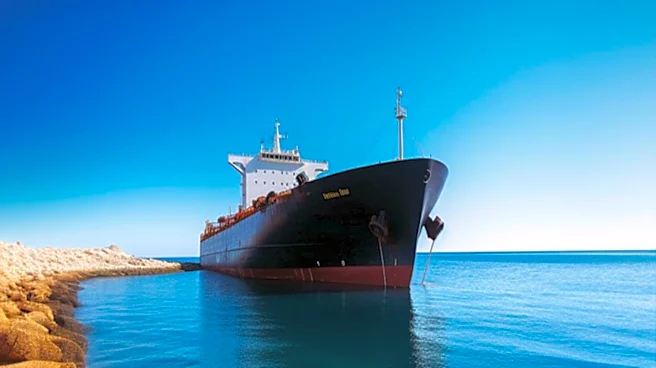
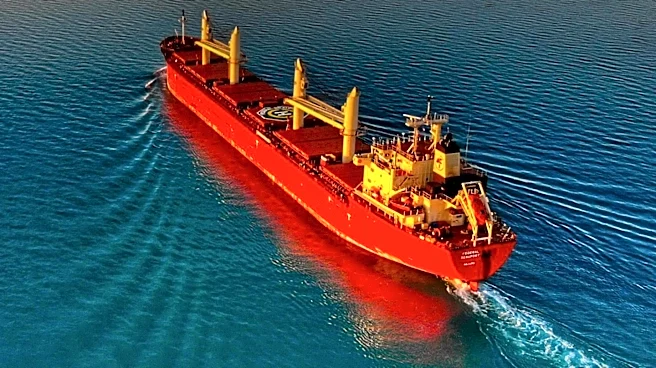
Thousands of ships stranded near the Strait of Hormuz due to ongoing hostilities between the U.S. and Iran are at risk of becoming 'floating nurseries' for invasive marine species. The International Maritime Organization warns that ships idling for extended
periods can accumulate biofouling, which increases greenhouse gas emissions and fuel consumption. This biofouling can also facilitate the spread of invasive species when trade resumes. The situation has prompted calls for immediate intervention to manage biofouling and prevent ecological and economic impacts on global coastlines.
Why It's Important?
The prolonged idling of ships in the Strait of Hormuz presents a significant ecological threat, as biofouling can lead to the spread of invasive species that are difficult to eradicate. This could have severe ecological and economic impacts on coastlines worldwide. Additionally, the increased fuel consumption and emissions associated with biofouling contribute to environmental degradation. The situation highlights the need for improved biofouling management and international cooperation to address the risks associated with maritime chokepoints.
What's Next?
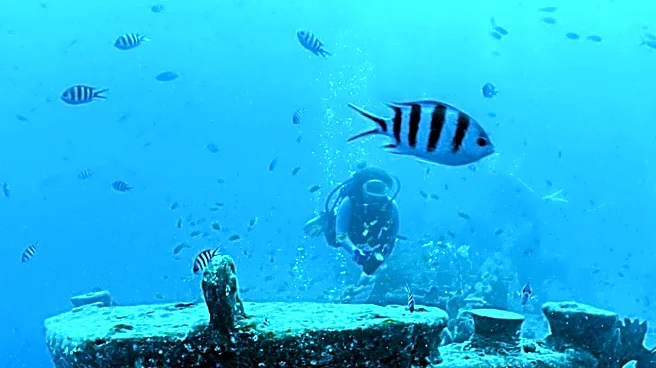
Efforts are underway to clean the hulls and propellers of stranded ships before they resume operations. This includes deploying divers across Gulf ports to manage biofouling. The costs associated with these cleaning efforts are expected to rise significantly. The situation may also lead to changes in how the shipping industry perceives and manages risks associated with maritime chokepoints, potentially prompting regulatory changes and increased monitoring at high-risk ports.