




What's Happening?
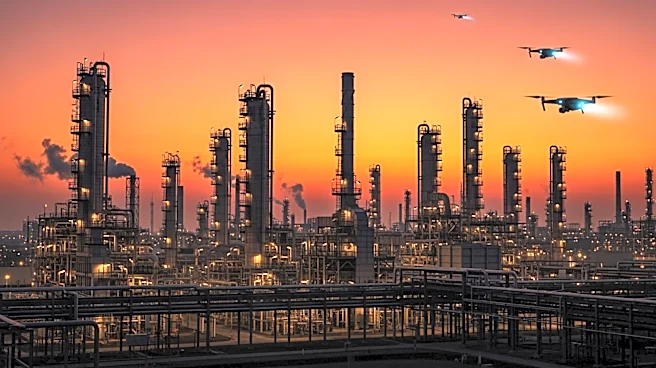
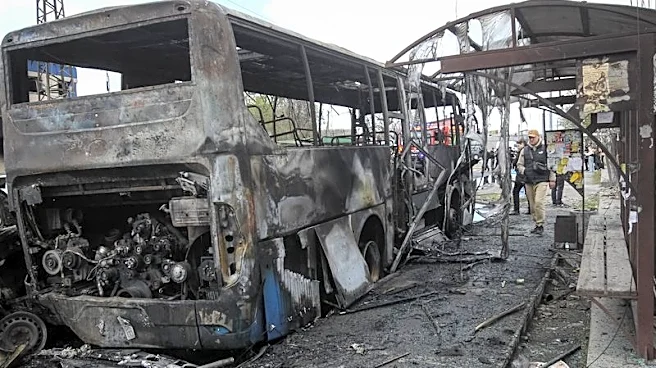
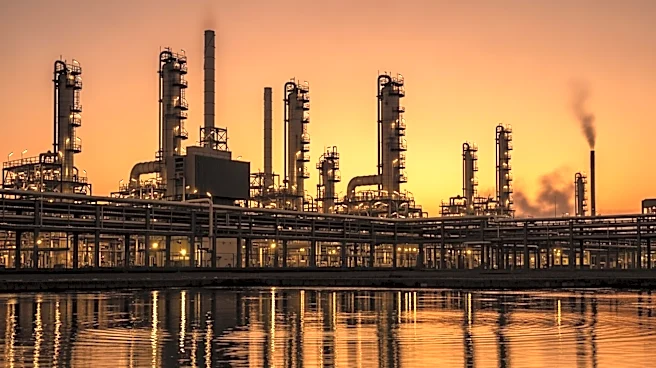
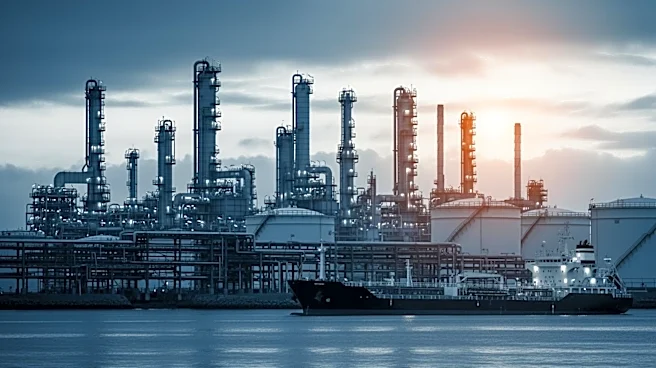
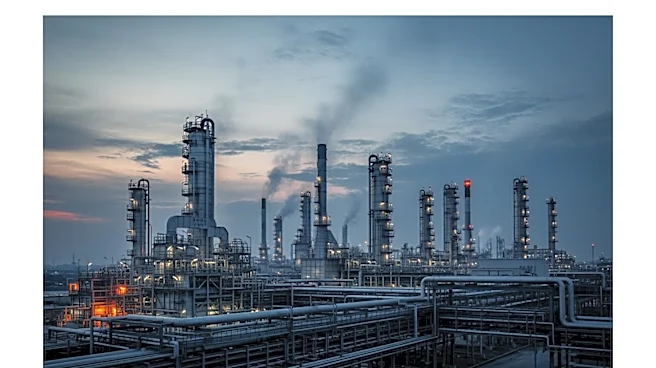
The Russian town of Tuapse is facing a severe environmental crisis following a series of Ukrainian drone strikes on its oil refinery. The attacks, which have occurred three times in the past 12 days, have resulted in toxic fumes and flames engulfing the area,
causing significant pollution. The refinery, a key oil-processing hub, has been repeatedly targeted by Ukraine as part of its strategy to disrupt Russian energy infrastructure. The situation has led to oil spills in the Tuapse river and the Black Sea, with satellite images showing oil spreading at least 50 kilometers from the shore. Local authorities and volunteers are working to manage the disaster, but the response has been criticized for being slow and inadequate.
Why It's Important?
The environmental disaster in Tuapse highlights the broader implications of the ongoing conflict between Ukraine and Russia, particularly the impact on energy infrastructure and the environment. The attacks on the refinery not only disrupt Russia's oil exports but also pose significant health risks to local populations due to air and water pollution. This situation underscores the vulnerability of critical infrastructure in conflict zones and the potential for long-term environmental damage. The incident also raises questions about the adequacy of emergency response measures and the need for international cooperation in addressing such crises.
What's Next?
The Russian government has acknowledged the severity of the situation, with President Vladimir Putin dispatching emergency officials to coordinate the response. However, the long-term environmental and health impacts remain uncertain. The ongoing conflict suggests that further attacks on energy infrastructure could occur, potentially exacerbating the environmental crisis. International stakeholders may need to engage in diplomatic efforts to mitigate the conflict and prevent further environmental damage. Additionally, there may be increased scrutiny on the effectiveness of Russia's emergency response and environmental protection measures.
Beyond the Headlines
The situation in Tuapse also highlights the ethical and legal challenges of targeting energy infrastructure in conflict zones. The use of drones in warfare raises questions about accountability and the protection of civilian populations and the environment. The incident may prompt discussions on international regulations governing the use of drones and the protection of critical infrastructure. Furthermore, the environmental disaster could lead to increased advocacy for stronger environmental protection policies and emergency response frameworks in conflict-affected regions.