




What's Happening?
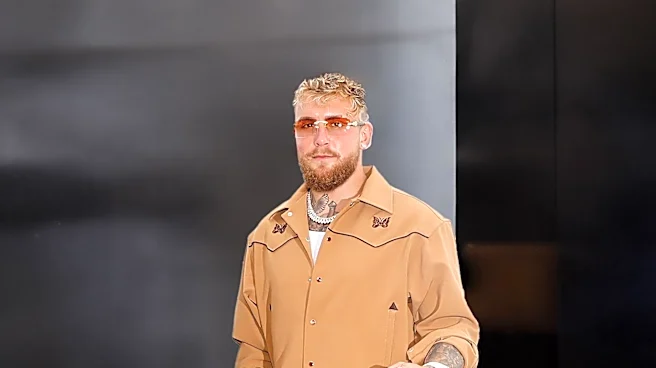
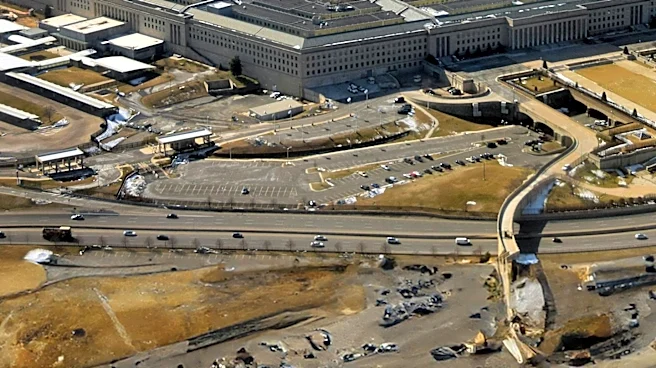
Jake Paul, alongside his brother Logan Paul, recently visited the Pentagon, meeting with Secretary of Defense Pete Hegseth and other senior government officials. This visit, which included touring the building and speaking to military personnel, drew
significant public backlash. In response to the criticism, Jake Paul posted an AI-generated video on X featuring himself and President Trump rapping together. The video was accompanied by the caption, 'Stay mad we saving America.' The Paul brothers' Washington trip on September 17 also involved meetings with Treasury Secretary Scott Bessent, who praised Jake Paul's transition from content creator to entrepreneur and professional boxer. Logan Paul thanked service members for their sacrifices, while Jake Paul encouraged them to be proud of their service. The backlash against the Paul brothers' Pentagon visit and subsequent AI video has been fueled by various factors, including their relocation to Puerto Rico for tax incentives and questions surrounding the use of AI for political messaging.
Why It's Important?
This event highlights the growing intersection of celebrity influence, social media, and political engagement, particularly in the context of the current U.S. political landscape. The use of AI-generated content by a prominent social media figure like Jake Paul to address public criticism and align with a political figure like President Trump demonstrates a new frontier in political communication and image management. The criticism regarding the Paul brothers' tax residency in Puerto Rico underscores broader debates about tax fairness and the responsibilities of high-profile individuals. Furthermore, the Pentagon's decision to host the Paul brothers and the subsequent official documentation of their meetings with high-ranking officials raise questions about the criteria for engaging with public figures and the potential implications for public perception of government institutions. This incident also reflects the increasing skepticism and scrutiny directed at artificially generated media and its potential to influence public opinion and political discourse.
What's Next?
The use of AI-generated content in political messaging is likely to continue evolving, potentially leading to increased scrutiny and calls for regulation regarding its authenticity and ethical implications. Social media platforms may face pressure to implement clearer guidelines or disclaimers for AI-generated political content. The Paul brothers' continued engagement in both entertainment and political spheres suggests they will likely remain figures of public discussion, particularly as the 2026 election cycle progresses. Their past appearances with President Trump at events like UFC and political rallies indicate a sustained connection that could lead to further collaborations or endorsements. The ongoing debate surrounding their tax status in Puerto Rico may also resurface, potentially influencing public perception and policy discussions related to tax incentives and residency for high-net-worth individuals.
Beyond the Headlines
This incident delves into the complex interplay between digital influence, political branding, and public trust. The ability of figures like Jake Paul to leverage their massive online following and utilize emerging technologies like AI for political messaging challenges traditional notions of political engagement and media consumption. It raises ethical questions about the authenticity of political endorsements and the potential for AI to blur the lines between reality and fabrication in public discourse. The criticism directed at the Paul brothers also reflects a broader societal concern about the perceived disconnect between celebrity lifestyles and civic responsibilities, particularly concerning tax obligations. This event could contribute to a larger conversation about the role of influencers in shaping public opinion and the need for media literacy in an increasingly digital and AI-driven information environment. The Pentagon's engagement with such figures also prompts reflection on how government institutions adapt to and navigate the evolving landscape of public communication and celebrity culture.