







What's Happening?
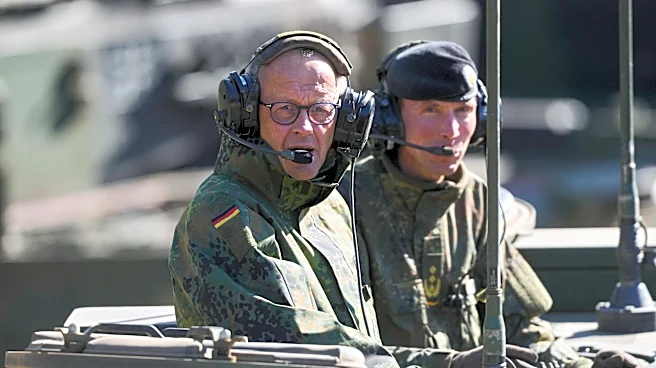
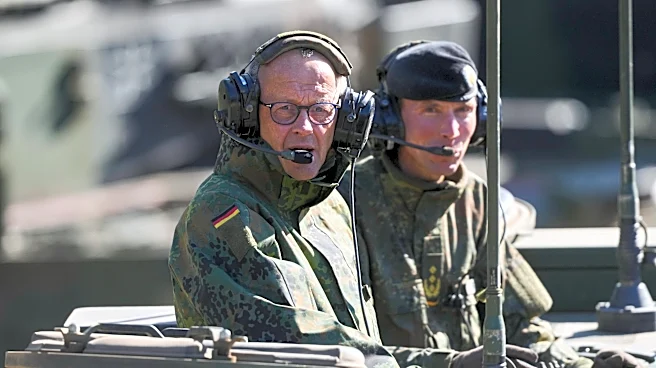
German Defence Minister Boris Pistorius has urged European nations to take greater responsibility for their own security following the U.S. announcement to withdraw 5,000 troops from Germany. Pistorius highlighted Germany's efforts to expand its Bundeswehr
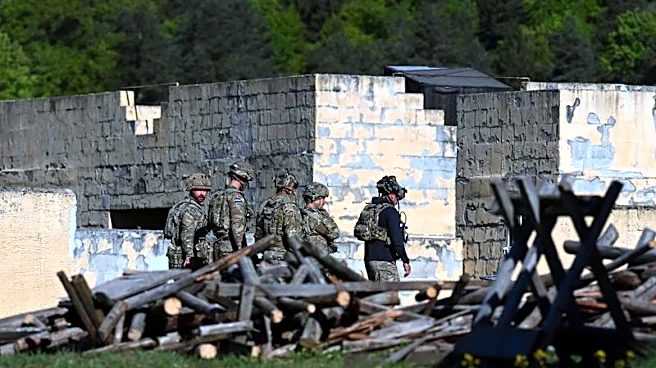
armed forces, accelerate equipment procurement, and build necessary infrastructure to enhance military capabilities. This call comes as European NATO members, including Germany, face criticism over defense spending and are under pressure to increase their military responsibilities. Despite acknowledging the foreseeable nature of the U.S. troop withdrawal, Pistorius emphasized the importance of maintaining the American military presence in Europe, particularly in Germany, for mutual interests.
Why It's Important?
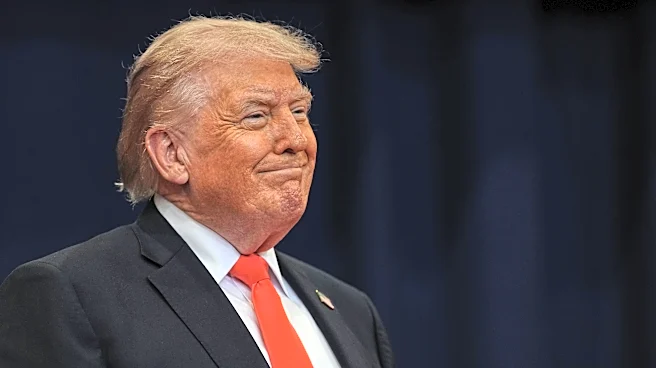
The U.S. troop withdrawal from Germany signifies a shift in transatlantic defense dynamics, prompting European nations to reassess their security strategies. This development could lead to increased defense spending and military capability enhancements among European NATO members. The move also underscores the need for Europe to become more self-reliant in defense matters, reducing dependency on U.S. military support. The potential impact on U.S.-Europe relations is significant, as it may alter the balance of military power and influence within the region. European nations may face challenges in meeting their security needs due to budget constraints and capability gaps.
What's Next?
European nations, particularly Germany, are expected to continue efforts to bolster their military capabilities and infrastructure. This may involve increased defense budgets and accelerated procurement processes. The U.S. troop withdrawal could also prompt discussions within NATO regarding the future of transatlantic security cooperation and the distribution of military responsibilities. European leaders may seek to strengthen alliances and partnerships within the region to ensure collective security. The situation may also influence future U.S. foreign policy decisions regarding military presence and commitments in Europe.