






What's Happening?
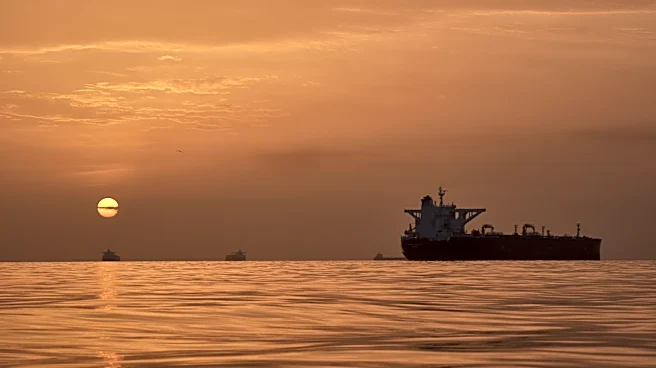
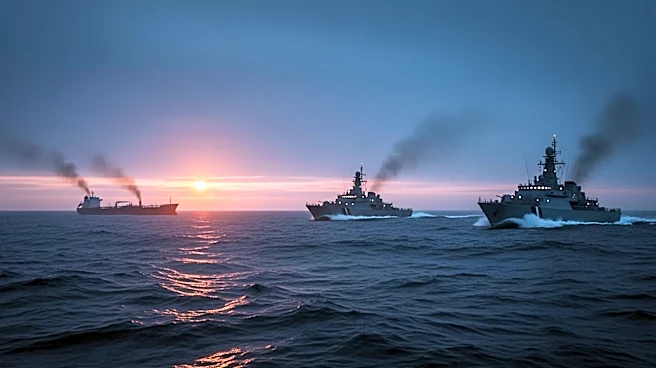
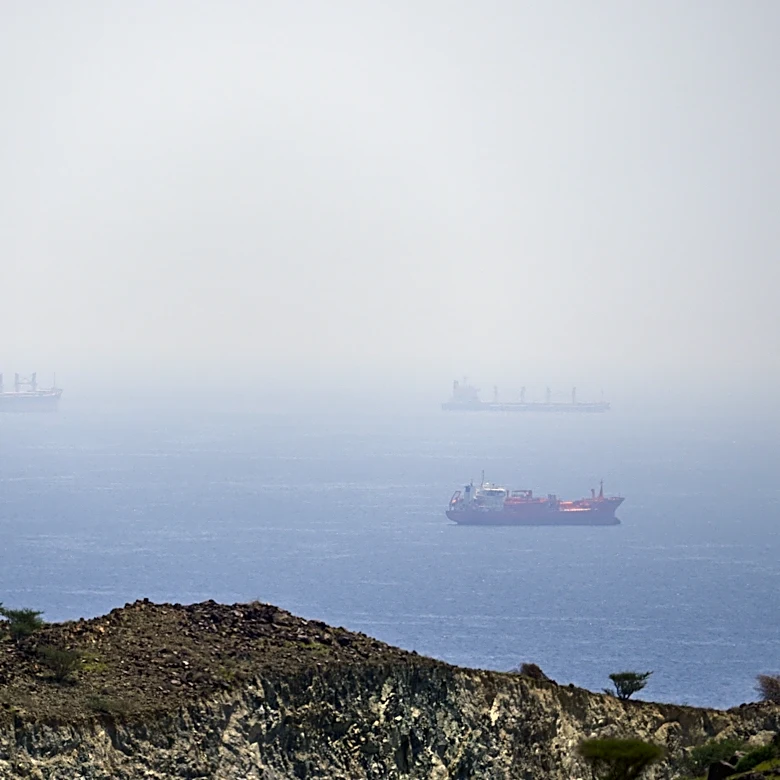
On Saturday, Iranian gunboats fired on two Indian-flagged merchant vessels in the Strait of Hormuz. This incident occurred as US-Iran talks were ongoing, raising concerns about Iran's control over the strategic waterway. The Islamic Revolutionary Guard
Corps carried out the attack without warning, signaling Iran's willingness to use maritime access as leverage in negotiations. The Strait of Hormuz is a critical chokepoint for global oil shipments, and Iran's actions suggest a strategy to exert economic pressure. This development highlights a potential new red line for Israel, as Iran's control over the strait could impact Western policy.
Why It's Important?
The firing on Indian ships underscores the strategic importance of the Strait of Hormuz, through which a significant portion of the world's oil passes. Iran's actions could disrupt global oil markets and increase tensions in the region. For the US, this incident complicates diplomatic efforts with Iran, as it demonstrates Tehran's willingness to use force to achieve its objectives. The situation also poses a challenge for Israel, which has historically focused on Iran's nuclear capabilities. A permanent Iranian chokehold on the strait could serve as a strategic weapon, affecting Western economic and security interests.
What's Next?
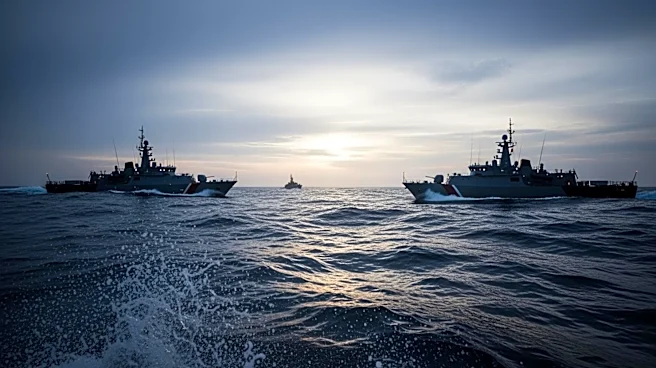
The incident may lead to increased military presence in the region by the US and its allies to ensure the security of maritime routes. Diplomatic efforts may intensify to address the situation and prevent further escalation. The international community, particularly countries reliant on oil shipments through the strait, will likely call for a resolution to ensure the free flow of commerce. Israel may need to reassess its strategic priorities concerning Iran, considering the broader implications of Iran's control over the Strait of Hormuz.