


What's Happening?
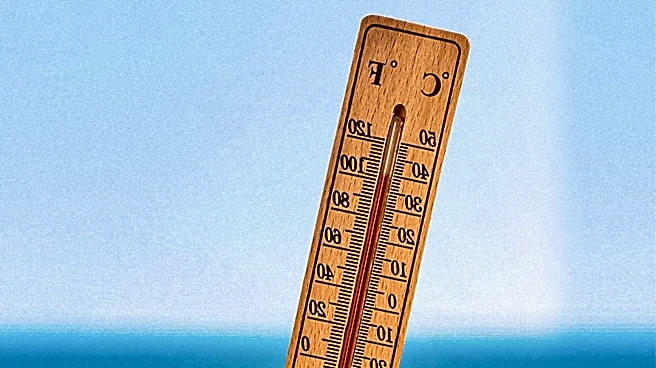
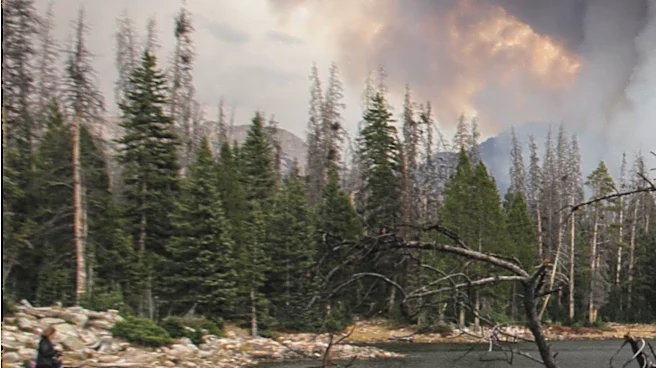
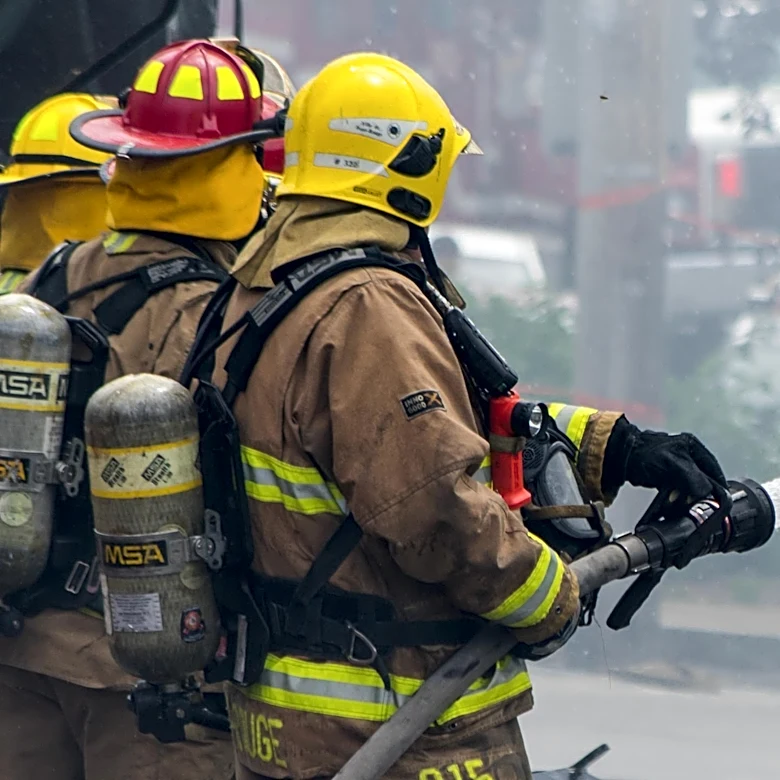
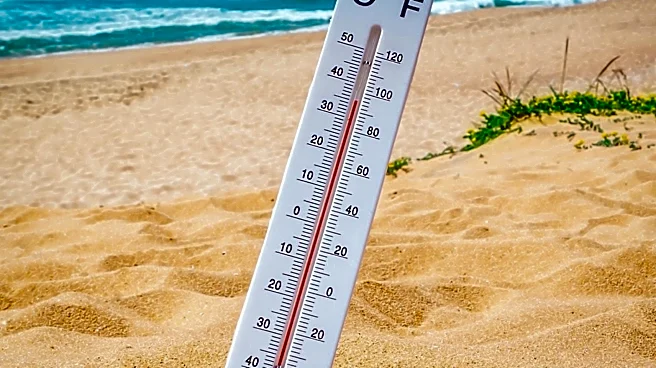
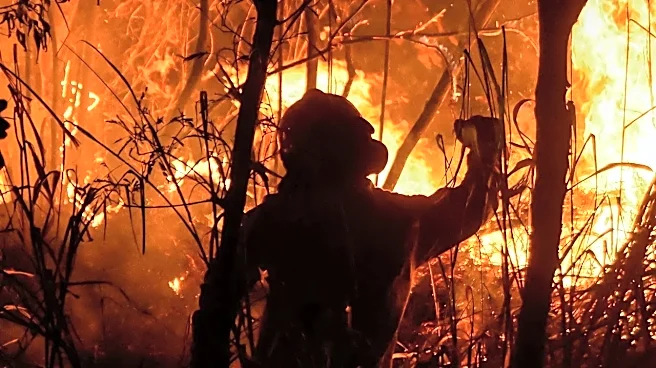
Western Europe is experiencing its hottest summer on record, with average temperatures for June and July reaching 21.62 degrees Celsius, surpassing previous records. The extreme heat has led to devastating wildfires across the continent, particularly
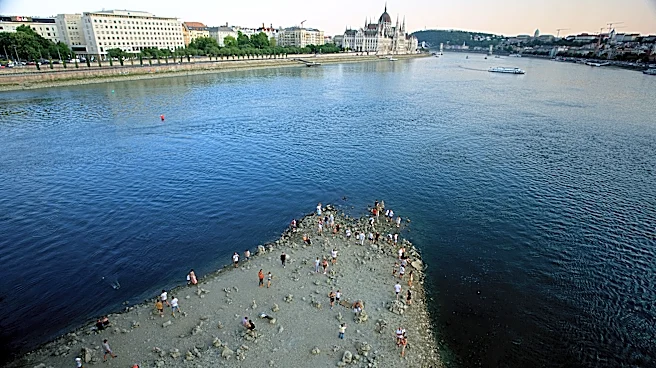
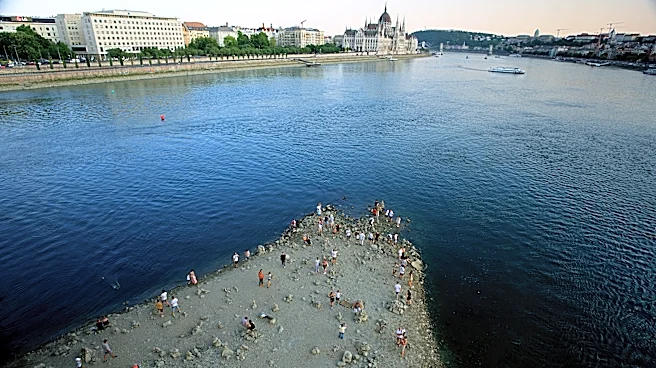
affecting Spain, France, and Italy. The Copernicus climate change service attributes these conditions to a 'Super' El Niño weather pattern. The heat has resulted in over 25,000 deaths in Europe this year and has severely impacted soil moisture levels, exacerbating drought conditions. Major rivers like the Danube have reached unprecedented low water levels, affecting energy supplies as nuclear reactors in Hungary and Romania were temporarily shut down.
Why It's Important?
The record-breaking heat and associated wildfires highlight the urgent need for climate adaptation and mitigation strategies in Europe. The extreme weather conditions pose significant risks to public health, infrastructure, and ecosystems. The situation underscores the vulnerability of European countries to climate change, particularly due to older infrastructure and limited air conditioning. The impact on major rivers also threatens energy security, as low water levels disrupt cooling processes for nuclear reactors. This crisis serves as a stark reminder of the broader implications of climate change and the need for coordinated international efforts to address its challenges.
What's Next?
As Europe braces for more heatwaves, governments and policymakers are likely to face increased pressure to implement effective climate adaptation measures. This may include investing in infrastructure upgrades, enhancing water resource management, and developing comprehensive emergency response plans. The situation also calls for greater international collaboration to address the root causes of climate change and to support affected regions. The ongoing crisis may prompt further discussions at upcoming climate summits, emphasizing the need for urgent action to mitigate the impacts of global warming.