

What's Happening?
The geopolitical relationship between Saudi Arabia and the United Arab Emirates (UAE) has shifted from partnership to rivalry, with significant implications for European interests. The UAE-backed Southern Transitional Council's (STC) offensive in Yemen
has escalated tensions with Saudi Arabia, which views the move as a threat to its national security. This rift reflects broader geopolitical competition between the two nations, impacting economic, mineral, and energy resources, as well as crucial technologies like AI. The rivalry is expected to affect European governments, which maintain strategic interests with both countries, and may lead to increased regional conflict.
Why It's Important?
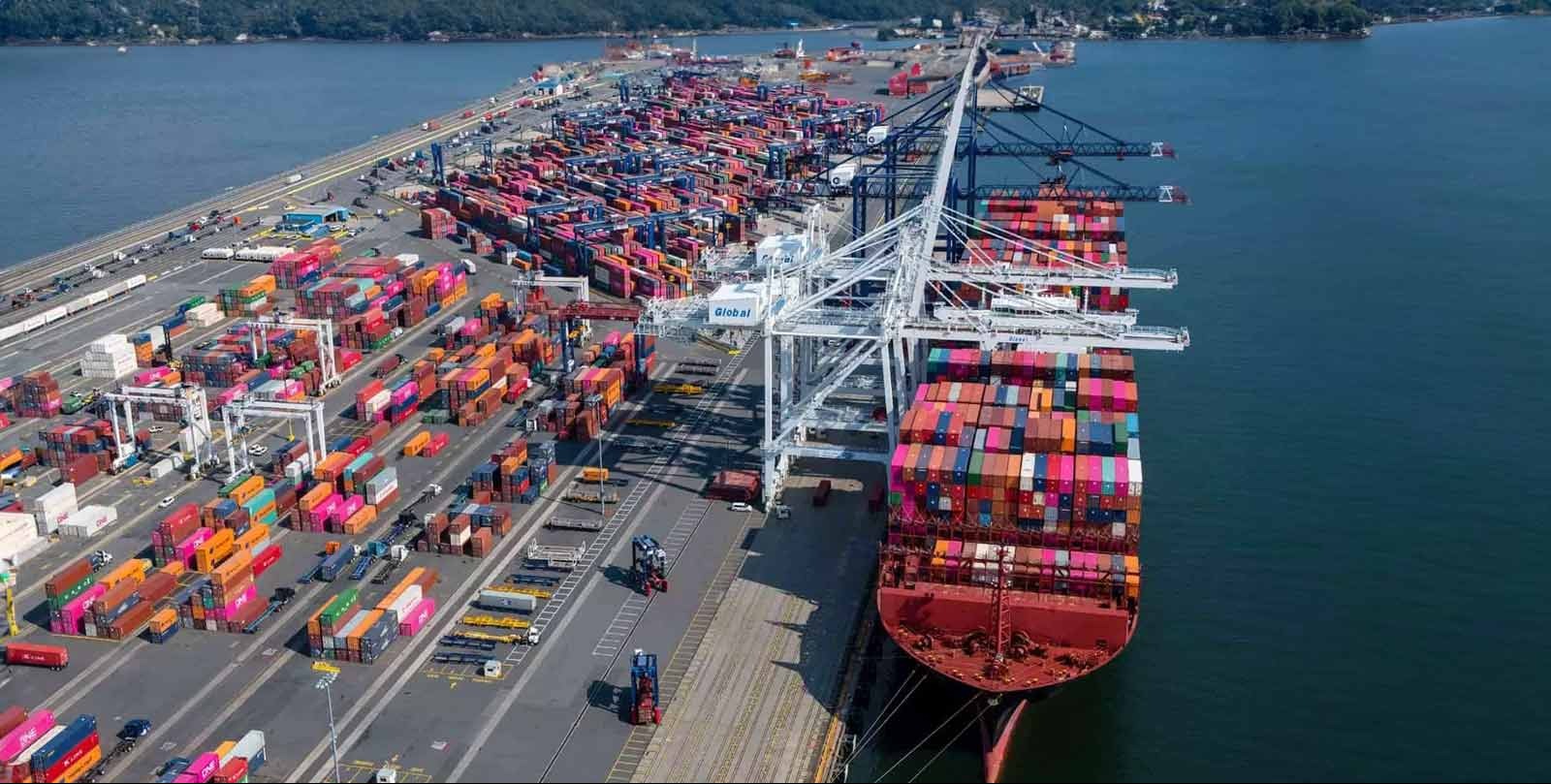
The Saudi-UAE rift has significant implications for European strategic interests, particularly in terms of trade and connectivity in the Red Sea region. The competition between these Gulf states could disrupt the India-Middle East-Europe Economic Corridor (IMEC) and affect European efforts to maintain stability in the region. European countries may need to navigate this rivalry carefully to avoid becoming arenas for geopolitical competition. The situation also highlights the importance of balancing relations with both Saudi Arabia and the UAE to protect European interests in the Middle East and North Africa.
What's Next?
European governments are likely to engage in diplomatic efforts to mitigate the impact of the Saudi-UAE rift on their strategic interests. This may involve supporting initiatives to de-escalate tensions and promote regional stability. European countries may also need to reassess their partnerships with both Saudi Arabia and the UAE, focusing on areas where their core interests align. Additionally, the EU may consider enhancing its role in Red Sea security to protect trade routes and geoeconomic interests. The situation will require ongoing monitoring and flexibility to adapt to the rapidly changing geopolitical landscape.