


What's Happening?
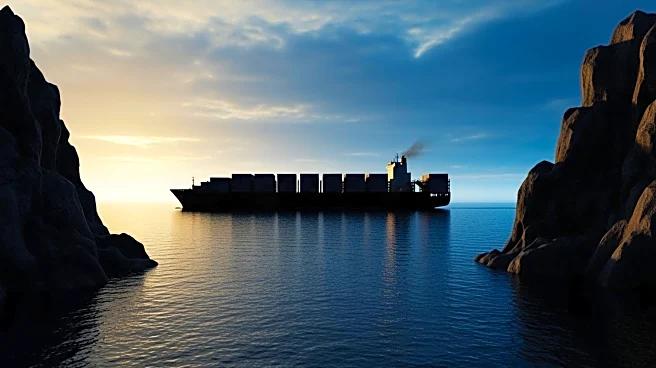
Two Chinese container ships have successfully navigated the Strait of Hormuz on their second attempt, marking a significant development since the U.S.-Israeli conflict with Iran began on February 28. The ships, operated by China's COSCO, initially turned
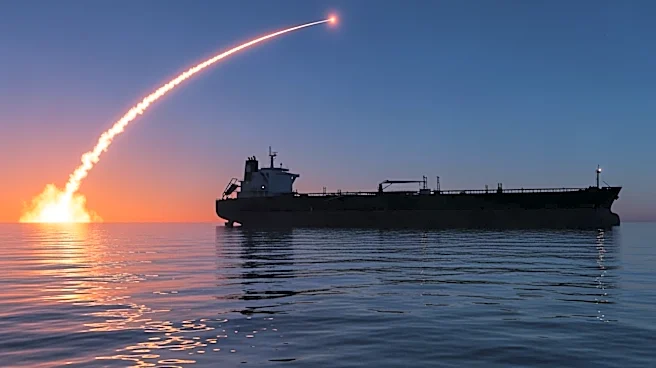
back on Friday but managed to exit the Persian Gulf on Monday, according to ship-tracking data from MarineTraffic. This marks the first successful passage of container vessels, excluding Iranian-flagged ships, since the conflict's onset. The strait has been a critical chokepoint, with Iran launching attacks on Gulf shipping, stranding numerous vessels and seafarers. Energy exports, including crude oil from Saudi Arabia and liquefied natural gas from Qatar, have been severely disrupted. The successful passage of these ships is a notable event in the ongoing maritime tensions in the region.
Why It's Important?
The successful navigation of the Strait of Hormuz by these Chinese vessels is significant for global shipping and energy markets. The strait is a vital artery for global oil and gas supplies, and its blockage has had substantial implications for energy prices and supply chains. The ability of these ships to pass through may signal a potential easing of tensions or a shift in maritime strategies, which could stabilize energy exports and reduce global market volatility. This development is crucial for countries reliant on Gulf energy exports and for shipping companies navigating the geopolitical risks in the region.
What's Next?
The successful passage of these ships may encourage other shipping companies to attempt similar crossings, potentially leading to a gradual resumption of normal shipping activities in the Gulf. However, the risk of further Iranian attacks remains, and companies may continue to employ tactics such as turning off tracking transponders and sailing at night to mitigate risks. The international community, particularly countries dependent on Gulf energy exports, will likely monitor the situation closely, seeking diplomatic solutions to ensure the security of this critical maritime route.