






What's Happening?
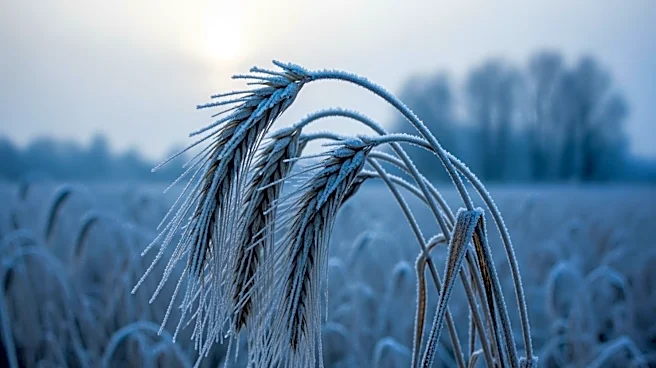
State officials in Pennsylvania are urging the federal government to provide disaster assistance to farmers affected by a severe freeze in April. The freeze, which occurred after several weeks of warm weather, caused significant damage to fruit crops
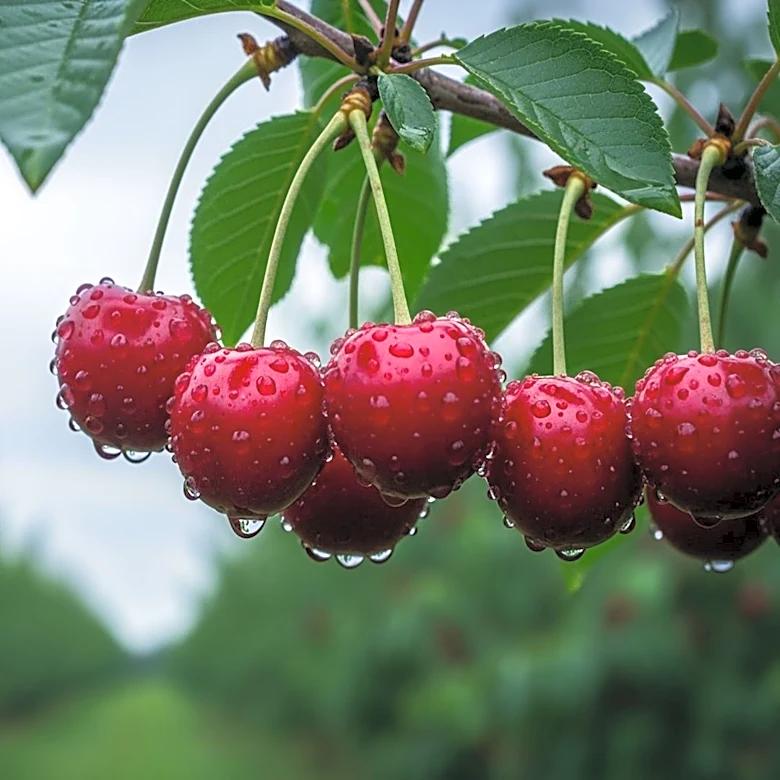
such as peaches, cherries, apricots, pears, strawberries, grapes, and apples. The economic losses for the state's special crop industry are estimated to be between $150 million and $200 million. Governor Josh Shapiro has requested a federal disaster designation to facilitate aid and support for the affected farmers. The freeze has jeopardized the livelihoods of many farmers, with some experiencing near-total losses and others facing up to 100% crop damage.
Why It's Important?
The freeze has had a profound impact on Pennsylvania's agricultural sector, which is a vital part of the state's economy. The losses not only affect the farmers but also have a ripple effect on local economies, farm markets, processors, and packagers. The call for federal aid highlights the vulnerability of the agricultural industry to extreme weather events and the need for timely support to sustain rural communities. The situation underscores the importance of disaster preparedness and the role of government assistance in mitigating the effects of natural disasters on essential industries.
What's Next?
Governor Shapiro's administration is working with Penn State Extension to conduct early industry assessments and expedite damage evaluations to help farmers file crop insurance claims. The state is also exploring legislative measures to support farmers and is encouraging Pennsylvanians to purchase local produce to aid recovery efforts. Additionally, long-term solutions, such as the Agricultural Innovation Grant Program, are being considered to help farmers prepare for future severe weather events. The state is committed to exploring all available options to support the agricultural community during this crisis.
Beyond the Headlines
The freeze adds to the challenges faced by farmers, including rising costs of diesel fuel and fertilizer due to the Iran War affecting critical imports. This situation highlights the broader issue of climate change and its impact on agriculture, emphasizing the need for sustainable farming practices and infrastructure improvements to withstand extreme weather conditions. The event also raises questions about the resilience of the agricultural supply chain and the importance of diversifying income sources for farmers to reduce dependency on single crop yields.