



What's Happening?
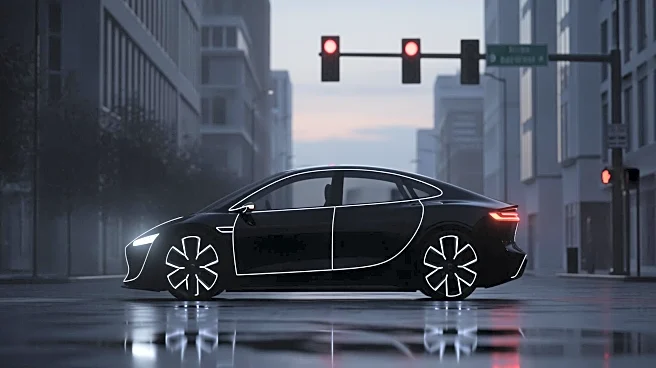
Governor Kathy Hochul has decided to remove a proposal from the New York State budget that aimed to expand the autonomous vehicle pilot program to Rochester. This decision halts the potential introduction of Waymo self-driving cars in the city by the end
of the year. The proposal faced opposition from various stakeholders, including taxi drivers and unions, who advocated for a law mandating a human driver in every vehicle. State Senator Jeremy Cooney, chair of the Senate Transportation Committee, expressed disappointment, emphasizing the potential safety benefits of autonomous vehicles. Despite the setback, Cooney remains committed to pursuing a standalone bill on autonomous vehicles outside the budget process. Governor Hochul's office cited insufficient support from stakeholders, including legislative members, as the reason for withdrawing the proposal.
Why It's Important?
The removal of the self-driving car proposal from the state budget represents a significant setback for the advancement of autonomous vehicle technology in New York. This decision impacts companies like Waymo, which were poised to expand their operations in the state. The move highlights the ongoing debate over the safety and regulatory implications of autonomous vehicles. While proponents argue that self-driving cars could enhance road safety and reduce traffic accidents, opponents raise concerns about job losses in the transportation sector and the need for stringent safety regulations. The decision underscores the challenges faced by policymakers in balancing technological innovation with public safety and employment concerns.
What's Next?
Following the withdrawal of the proposal, stakeholders may continue to engage in discussions to address the concerns raised by opponents of autonomous vehicles. Senator Cooney's commitment to introducing a standalone bill suggests that legislative efforts to regulate and potentially expand autonomous vehicle operations in New York will persist. The outcome of these efforts could influence the future of self-driving technology in the state and set a precedent for other regions considering similar initiatives. Stakeholders, including technology companies, transportation unions, and public safety advocates, are likely to play a crucial role in shaping the legislative landscape for autonomous vehicles.