





What's Happening?
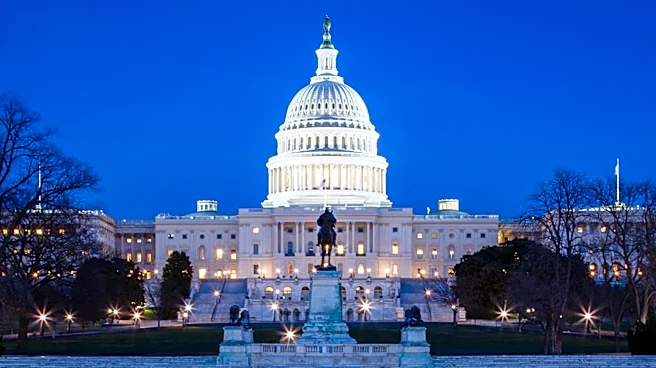
Congresswoman Nellie Pou (D-NJ-09), co-chair of the Congressional Bangladesh Caucus, has introduced a bipartisan House resolution to congratulate Bangladesh on assuming the presidency of the 81st session of the United Nations General Assembly. The resolution,
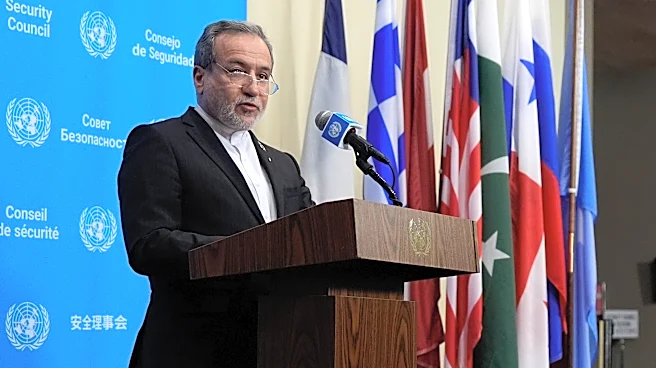
co-sponsored by Congressman Joe Wilson (R-SC-02), also reaffirms the enduring partnership between Bangladesh and the United States. Congresswoman Pou highlighted that she represents one of the largest Bangladeshi-American communities in the U.S., with an estimated 300,000 people of Bangladeshi heritage residing in the country. The resolution acknowledges the diplomatic relations established in 1972 and the significant economic, military, security, and humanitarian ties between the two nations. Bilateral trade in goods and services reached approximately $13.7 billion in 2025. Additionally, the resolution recognizes Bangladesh's substantial contributions to U.N. peacekeeping efforts and its role in hosting over one million Rohingya refugees. Bangladeshi Foreign Minister Khalilur Rahman was elected President of the 81st General Assembly on June 2, 2026, and began his term on September 8, 2026.
Why It's Important?
This resolution underscores the U.S.'s commitment to strengthening international alliances and recognizing the growing global influence of nations like Bangladesh. For the U.S., particularly for Congresswoman Pou's constituency, it signifies an acknowledgment of the cultural and economic contributions of Bangladeshi Americans and aims to foster deeper ties between the two countries. The emphasis on economic, security, and humanitarian cooperation highlights shared interests and potential for future collaboration on global issues. The substantial bilateral trade figure of $13.7 billion in 2025 indicates a robust economic relationship that benefits both economies. Furthermore, Bangladesh's role in U.N. peacekeeping and hosting Rohingya refugees demonstrates its significant humanitarian contributions, which align with U.S. foreign policy objectives of promoting stability and human rights. This legislative action can serve to reinforce diplomatic channels and facilitate further engagement on critical international matters.
What's Next?
The resolution's introduction marks a formal recognition of Bangladesh's leadership role on the global stage and the importance of its relationship with the U.S. While the resolution itself is largely symbolic, its bipartisan nature suggests a broad consensus within Congress regarding the value of this partnership. Future steps could involve increased diplomatic exchanges, potential for new trade agreements, or enhanced cooperation on security and humanitarian initiatives. The resolution may also encourage further engagement between the Congressional Bangladesh Caucus and Bangladeshi officials, potentially leading to discussions on specific policy areas. For the Bangladeshi-American community, this resolution could foster a stronger sense of representation and influence in U.S. foreign policy discussions. The ongoing collaboration on U.N. peacekeeping and refugee support will likely continue, with the resolution providing a foundation for sustained efforts.
Beyond the Headlines
Beyond the immediate diplomatic recognition, this resolution reflects a broader trend of the U.S. acknowledging the strategic importance of South Asian nations and their diasporas. The focus on the Bangladeshi-American community highlights the increasing role of ethnic constituencies in shaping U.S. foreign policy and congressional priorities. This engagement can lead to a more nuanced understanding of regional dynamics and foster 'people-to-people' connections that complement traditional state-to-state diplomacy. The resolution also subtly reinforces the U.S.'s position as a global partner, willing to support and collaborate with emerging leaders on the international stage. The recognition of Bangladesh's humanitarian efforts, particularly concerning the Rohingya refugees, could also serve as a model for other nations facing similar challenges, emphasizing shared responsibility in addressing global crises.