





What's Happening?
The CyberGrass 2.0 project has reached its halfway point, demonstrating significant progress in integrating satellite and drone technologies into practical tools for forage farming. Researchers from Sweden, Iceland, and Finland recently convened in Kuopio,
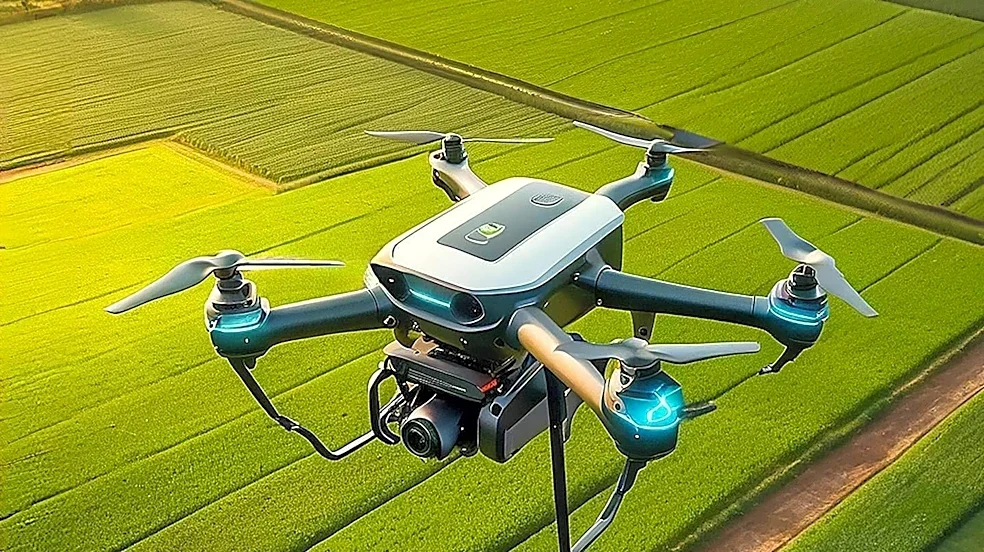
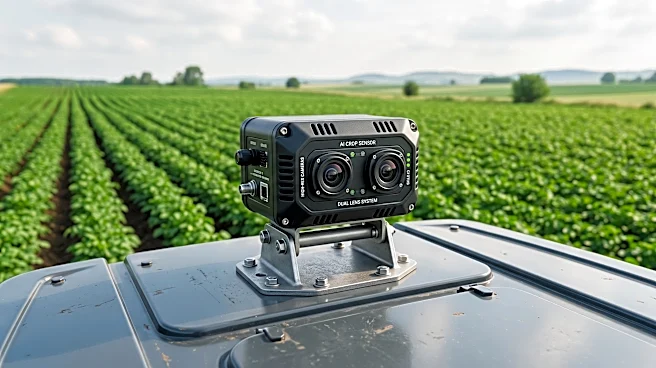
Finland, to review the project's advancements. The initiative aims to develop digital tools that optimize forage production through remote sensing, including satellite and drone imagery. Key areas of progress include the assessment of winter damage, analysis of botanical composition, and yield estimation. Work Package 1 is focused on creating a service for predicting forage yield, quality, and optimal harvest timing, with data collection largely on schedule. Work Package 2 is developing cost-effective drone solutions, utilizing RGB and multispectral cameras to monitor forage fields and detect winter damage through time-series imagery. Work Package 3 is evaluating advanced remote sensing technologies like hyperspectral imaging and LiDAR for yield and quality assessment. While the methods are proving reliable in experimental settings, the project emphasizes the need for collaboration with software developers and advisory organizations to integrate these solutions into existing farm management systems for commercial adoption.
Why It's Important?
The advancement of satellite and drone technologies in forage farming holds substantial importance for the agricultural sector. These innovations promise to enhance the efficiency and sustainability of forage production by providing farmers with more informed management decisions. Improved yield prediction and quality assessment can lead to optimized resource allocation, reduced waste, and increased profitability for forage farmers. The ability to accurately assess winter damage and botanical composition allows for timely interventions, mitigating potential losses. This technological integration can also contribute to more sustainable farming practices by enabling precise application of inputs and better land management. The project's focus on making these tools accessible and integrated into existing farm management systems is crucial for widespread adoption, potentially transforming how forage is grown and managed across regions. The development of these tools could set a precedent for other agricultural sectors, demonstrating the value of digital agriculture in addressing complex farming challenges.
What's Next?
The CyberGrass 2.0 project will now focus on translating its research results into practical decision-support functions within a web-based platform. A critical next step involves strengthening dialogue with software developers and other stakeholders to ensure these models are incorporated into digital tools used by advisors and farmers. This collaboration is essential for the commercial adoption of the technologies, moving beyond experimental environments to real-world farming conditions. Work Package 2 will concentrate on validating its drone-based solutions across additional locations and refining them for practical use in advisory services. Work Package 3 will continue with further validation, technology benchmarking, and assessing the feasibility of integrating advanced sensing solutions into practical grassland monitoring services. The project aims to achieve technical maturity where the methods work reliably, paving the way for widespread implementation and improved forage management.
Beyond the Headlines
The successful integration of satellite and drone technologies into forage farming extends beyond immediate operational benefits, hinting at a broader shift towards data-driven agriculture. This development underscores the increasing reliance on advanced analytics and remote sensing to address agricultural challenges, from climate variability to resource optimization. The emphasis on collaboration between researchers, software developers, and advisory organizations highlights a growing ecosystem approach to agricultural innovation, where technological advancements are co-created and disseminated through a network of experts. This trend could lead to a more resilient and adaptive agricultural sector, capable of responding to environmental pressures and market demands with greater agility. Furthermore, the project's focus on open and accessible results suggests a commitment to democratizing agricultural technology, potentially empowering a wider range of farmers with sophisticated tools previously available only to larger operations. This could foster greater equity and innovation within the farming community.