
What's Happening?
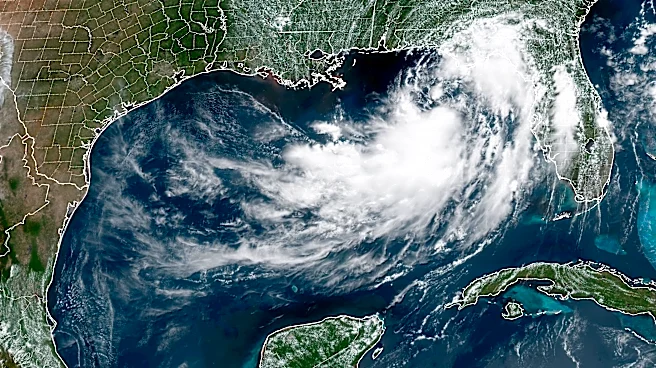
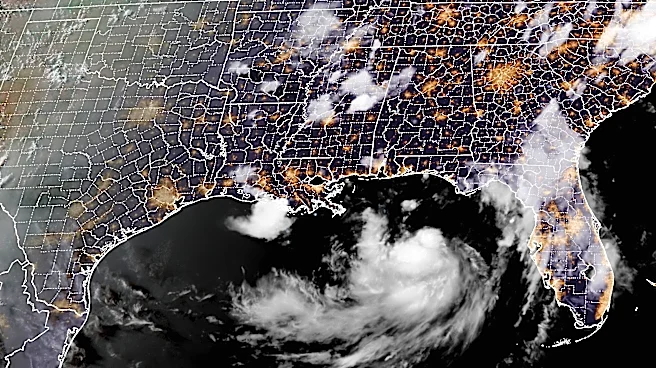
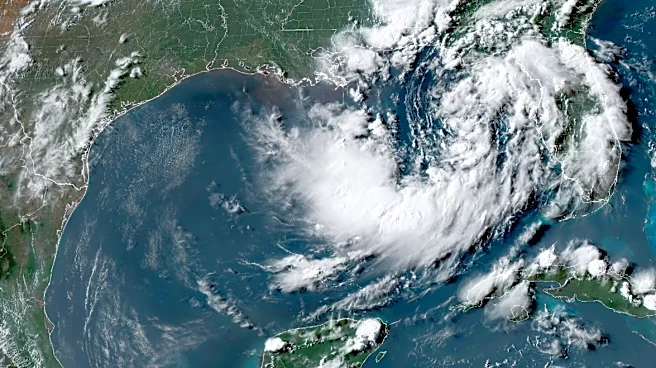
Tropical Storm Bertha, the second named storm of the Atlantic hurricane season, has formed in the Gulf of Mexico. According to the National Hurricane Center, Bertha intensified from a tropical depression
to a tropical storm on Monday. The storm is currently stationary but is expected to move slowly west-northwestward or westward over the next few days. Bertha is forecasted to bring tropical storm conditions, including heavy rainfall and coastal flooding, to parts of the northern Gulf Coast. The storm's path suggests it will move near or along the northern Gulf Coast, with potential for additional strengthening.
Why It's Important?
The formation of Tropical Storm Bertha poses significant risks to the Gulf Coast region, which is home to critical infrastructure, including petrochemical plants and refineries in Louisiana and Texas. The heavy rainfall and potential flooding could disrupt operations and impact the local economy. Additionally, the storm's impact on communities could lead to evacuations and strain emergency services. The broader weather patterns, including thunderstorms and a heat dome affecting other parts of the U.S., highlight the increasing frequency and intensity of extreme weather events, which have implications for public safety and climate resilience strategies.
What's Next?
As Bertha progresses, residents and businesses along the Gulf Coast are advised to monitor updates from the National Hurricane Center and local authorities. Preparations for potential evacuations and securing property against flooding are recommended. Emergency services and local governments are likely to coordinate response efforts to mitigate the storm's impact. The situation also underscores the need for ongoing investment in infrastructure resilience and disaster preparedness in the face of climate change.