






What's Happening?
Defense Secretary Pete Hegseth has drawn widespread criticism and calls for his immediate firing after using a transphobic slur during a speech at the Operation Top Nunn: Salute to the Troops military fundraiser at the Iowa State Fair on Monday, August
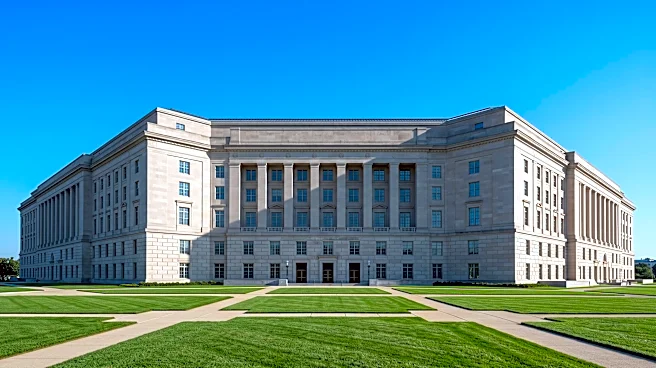
17. Speaking in support of Iowa Rep. Zach Nunn’s reelection campaign, Hegseth stated, “At the Department of War, we do training, not tr***ies,” while discussing anti-DEI policies at the U.S. Department of Defense. He emphasized a focus on “training, lethality, accountability, discipline, readiness” as the bedrock of American military service, advocating for a “colorblind, gender-neutral, merit-based” approach. This incident is not the first time Hegseth has faced controversy for his public remarks; in April, he reportedly confused a quote from 'Pulp Fiction' with a Bible verse during a Pentagon prayer service. Senator Ed Markey of Massachusetts and Senator Reverend Raphael Warnock of Georgia have both publicly condemned Hegseth's comments, with Senator Warnock explicitly calling for his immediate termination.
Why It's Important?
The Defense Secretary's use of a transphobic slur carries significant implications for the U.S. military and its policies regarding LGBTQ+ service members. His remarks undermine efforts to foster an inclusive environment within the armed forces and directly contradict the principles of diversity, equity, and inclusion that many advocate for. This incident could exacerbate existing tensions and challenges related to transgender individuals serving in the military, especially given President Trump's executive order barring transgender and nonbinary people from military service, which was upheld by the Supreme Court but still faces legal challenges. The controversy also highlights the ongoing debate about the role of personal beliefs versus professional conduct among high-ranking government officials. Calls for Hegseth's resignation or firing from prominent senators underscore the political and social weight of his statements, potentially impacting public trust in military leadership and the Department of Defense's commitment to all its personnel.
What's Next?
Following the widespread condemnation, the immediate focus will likely be on whether Defense Secretary Pete Hegseth will face any disciplinary action or be removed from his position. Senator Reverend Raphael Warnock and Senator Ed Markey have already called for his firing and resignation, respectively, putting pressure on the administration to respond. The Pentagon has yet to issue a formal statement regarding the calls for Hegseth's removal, though Chief Pentagon spokesperson Sean Parnell previously defended Hegseth's 'Pulp Fiction' incident as an intentional 'custom prayer.' Hegseth himself has not publicly addressed the controversy, instead sharing posts from President Trump's TruthSocial concerning the ongoing Iran war. Further legal challenges to the ban on transgender military service, which are still moving through lower courts, could also gain renewed attention in light of these comments. The incident may also prompt further scrutiny of Hegseth's past actions, including allegations of blocking the promotion of qualified Black and women military leaders.
Beyond the Headlines
Defense Secretary Hegseth's comments extend beyond a mere gaffe, touching upon deeper cultural and ethical considerations within the U.S. military and broader society. The use of a transphobic slur by a high-ranking official can be seen as a reflection of underlying biases and a potential indicator of systemic issues within the Department of Defense regarding LGBTQ+ inclusion. This incident could further alienate transgender service members and prospective recruits, impacting military morale and recruitment efforts. Ethically, it raises questions about the responsibility of public figures to uphold respectful discourse, particularly when their words directly affect the dignity and service of a marginalized group. The controversy also highlights the ongoing struggle between traditional military values and evolving societal norms regarding diversity and inclusion, potentially influencing future policy debates and legal interpretations concerning military service and civil rights.