

What's Happening?
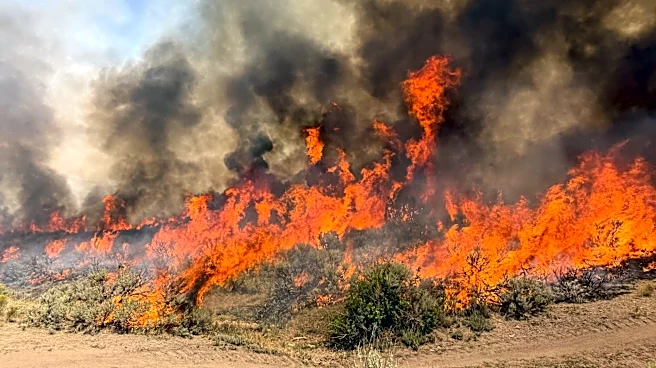
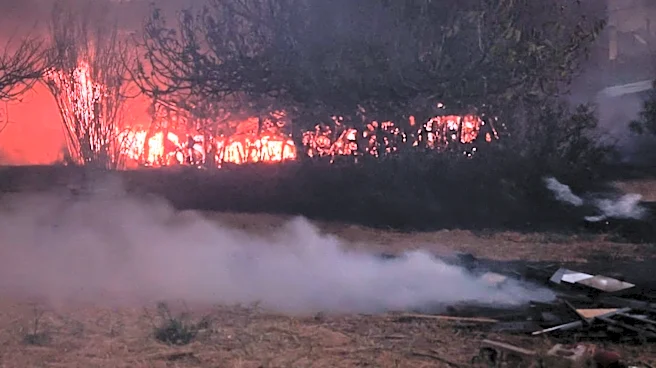
The Elk Fire, burning near Lake City, Colorado, has severely impacted local businesses during what is typically their most profitable month. The fire, which started on July 9, has grown to 6,213 acres and is only 34% contained. It has prompted evacuations
and put downtown Lake City on pre-evacuation notice. Local business owners, such as Josh and Amber Votruba of the Packer Saloon & Cannibal Grill, report a significant drop in business, with losses ranging from 70% to 90%. The fire has also led to forest closures in the Grand Mesa, Uncompahgre, and Gunnison national forests. Despite the challenges, local businesses are encouraging visitors to return for upcoming seasonal activities.
Why It's Important?
The Elk Fire's impact on Lake City highlights the vulnerability of tourism-dependent economies to natural disasters. The fire has not only threatened lives and property but also the financial stability of local businesses that rely heavily on summer tourism. The economic strain on these businesses could have long-term effects, potentially leading to closures and job losses. The situation underscores the need for effective disaster management and support systems for small businesses in fire-prone areas. Additionally, the fire's impact on natural resources and recreational areas could deter future tourism, affecting the region's economic recovery.
What's Next?
Efforts to contain the Elk Fire are ongoing, with additional resources being deployed to protect structures and manage the fire's spread. Local authorities have issued an emergency declaration to activate the county's emergency operations plan. As the fire continues to burn, the focus will be on containment and ensuring the safety of residents and businesses. The community is also looking ahead to the fall and winter seasons, hoping to attract visitors for activities like leaf-peeping, snowmobiling, and ice climbing. The recovery of the local economy will depend on the fire's containment and the return of tourists.