






What's Happening?
Congressman Raja Krishnamoorthi, a Democrat from Illinois, recently returned from a congressional delegation trip to Europe, which included a stop in Ukraine. During his visit, he engaged with Ukrainian leaders who emphasized their critical need for air
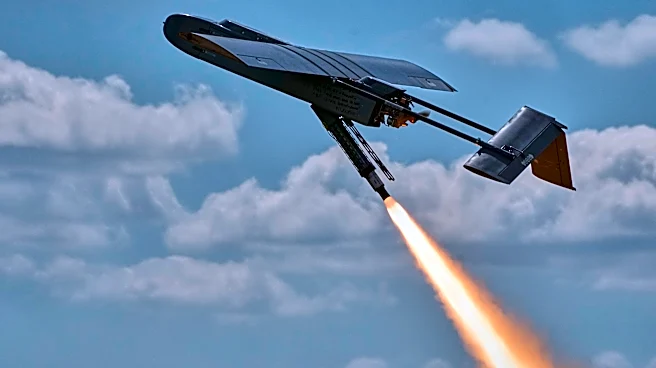
defense weapons, particularly American-made Patriot missiles, to counter Russian ballistic missile attacks. Ukraine has reportedly launched one of its largest aerial attacks on Russia, utilizing hundreds of drones, but simultaneously faces a severe shortage of defensive munitions. Ukrainian President Volodymyr Zelenskyy has acknowledged this scarcity, and residents in Kyiv are experiencing increased frequency of Russian missile strikes due to dwindling air defense capabilities. Congressman Krishnamoorthi highlighted that Ukrainian leaders are seeking co-production opportunities for these missile systems, suggesting licensing the production of Patriots to Ukraine or neighboring countries to facilitate faster deployment. He noted a 'bureaucratic inertia' within the Pentagon that is hindering these co-production possibilities, despite rhetoric from the White House. The ongoing conflict is now in its fifth year, and the human toll on Ukrainians is immense, with many forced to seek shelter during air raids.
Why It's Important?
The urgent need for air defense systems in Ukraine, as articulated by Congressman Krishnamoorthi, underscores a critical juncture in the ongoing conflict. The potential for co-production of Patriot missiles or similar systems could significantly impact the U.S. defense industry and its international partnerships. If the U.S. were to license production to Ukraine or its allies, it could stimulate defense manufacturing and create new supply chain dynamics. Conversely, the 'bureaucratic inertia' mentioned by Krishnamoorthi highlights potential inefficiencies within U.S. defense procurement and international cooperation mechanisms, which could have broader implications for future military aid and alliances. The continued depletion of Ukraine's air defense capabilities directly affects its ability to protect its energy infrastructure and civilian populations, potentially prolonging the conflict and increasing humanitarian costs. For the U.S., supporting Ukraine's defense is a key component of its foreign policy strategy to counter Russian aggression and maintain stability in Eastern Europe. The outcome of these discussions and the provision of aid will influence the geopolitical landscape and the effectiveness of U.S. leadership in international security.
What's Next?
The immediate next steps involve addressing the 'bureaucratic inertia' within the Pentagon to facilitate the co-production or expedited delivery of air defense systems to Ukraine. Congressman Krishnamoorthi's observations suggest that overcoming these internal hurdles is crucial for providing timely and effective assistance. Discussions within Congress will likely continue regarding the level and type of assistance that can be passed, especially concerning the PURL's program, which allows European allies to purchase and donate systems to Ukraine. The focus will be on ensuring that there are sufficient munitions available for purchase and donation. The political situation in Ukraine, including calls for wartime elections, could also influence the stability and effectiveness of aid distribution, though Ukrainian leaders currently show a unified resolve against Russia. The U.S. and its allies will need to continue evaluating the evolving needs on the ground and adapt their support strategies to help Ukraine defend itself and potentially bring Russia to the negotiating table for a genuine settlement.
Beyond the Headlines
Beyond the immediate military implications, the challenges in providing air defense to Ukraine highlight deeper issues within international defense cooperation and the global arms industry. The concept of co-production, while offering long-term benefits in terms of self-sufficiency for allies and potential economic advantages for the U.S., faces significant logistical and bureaucratic obstacles. This situation could prompt a re-evaluation of how the U.S. manages its defense industrial base and its partnerships, potentially leading to reforms aimed at greater agility and responsiveness in times of crisis. Furthermore, the human element of the conflict, with Ukrainians enduring years of war and personal sacrifice, underscores the ethical imperative of sustained international support. The resilience of the Ukrainian people, as noted by Congressman Krishnamoorthi, serves as a powerful reminder of the broader human cost of geopolitical conflicts and the importance of international solidarity in upholding democratic values against aggression. The long-term shifts could include a more integrated and decentralized global defense manufacturing network, reducing reliance on single-source suppliers and enhancing collective security.