






What's Happening?
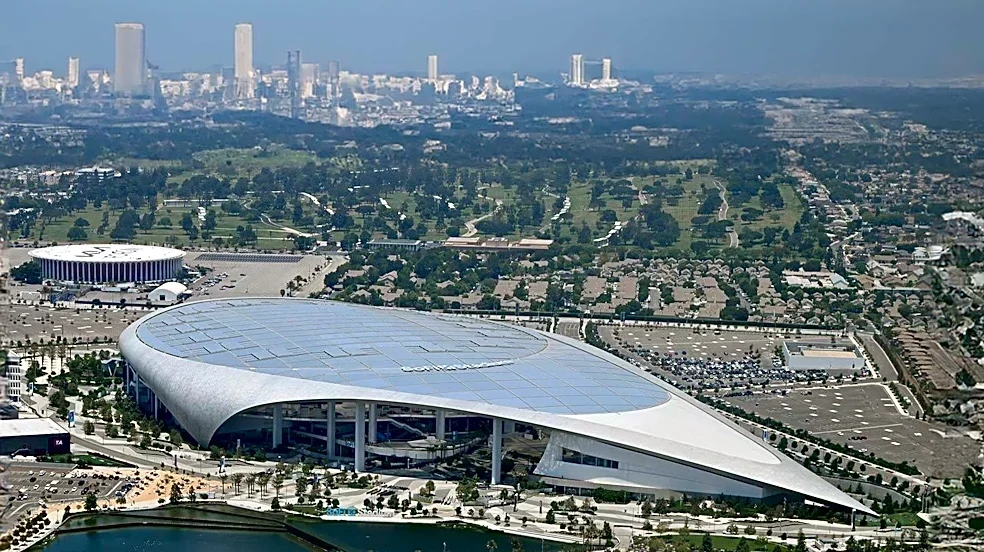
The Inglewood City Council has unanimously voted to launch a formal audit of its financial relationship with SoFi Stadium, allocating $325,000 for an external accounting firm. This decision follows a Los Angeles Superior Court judge's ruling in September
that voided the 2015 development agreement between Inglewood and Hollywood Park, the master developer of SoFi Stadium. The court's decision, based on a precedent that statutory development agreements cannot be adopted via voter initiative without a negotiated legislative process, has led city officials to believe that a previous cap on admissions-tax revenue no longer applies. The audit will examine the financial interactions between the stadium and the city since 2015, focusing on ticket and parking taxes, and will also clarify how ticket-sale taxes are assessed and collected. Hollywood Park, however, maintains it has met all financial obligations.
Why It's Important?
This audit carries significant financial implications for both the City of Inglewood and Hollywood Park. Inglewood, facing a $30.8 million budget deficit, stands to potentially recover millions in unpaid ticket taxes if the audit confirms its interpretation of the voided agreement. The city currently collects a 10% admissions tax on SoFi Stadium tickets, which has generated an average of $20 million annually, despite a 2015 cap of $15 million with inflation adjustments. Conversely, Hollywood Park claims Inglewood owes it approximately $376 million in infrastructure reimbursement. The outcome of this audit and the ongoing legal disputes will directly impact Inglewood's municipal finances and its ability to fund public services. It also highlights the complexities and potential pitfalls of large-scale development agreements, particularly when legal interpretations of their validity change over time. The situation could set a precedent for how similar agreements are structured and challenged in other municipalities.
What's Next?
The retained accounting firm is mandated to publicly report its findings within 30 days. Inglewood plans to continue auditing ticket taxes quarterly. Voters will also weigh in on Measure AT in November, which seeks to remove the annual cap on SoFi Stadium's 10% admissions tax and introduce a new tax rate for other venues. This measure could generate up to $50 million in additional revenue for the city. Hollywood Park could appeal the ruling that voided the original contract, and Mayor James Butts has expressed a desire to negotiate a replacement agreement. The ongoing legal and political battles, including a separate lawsuit regarding billboard fees and a political action committee working against Mayor Butts, indicate a contentious period ahead for Inglewood and its relationship with the stadium developers. The approaching 2027 Super Bowl and 2028 Olympics add urgency to resolving these financial and contractual disputes.
Beyond the Headlines
The situation in Inglewood extends beyond a simple financial dispute, touching upon issues of urban development, public accountability, and the power dynamics between municipalities and large corporations. The voiding of the 2015 agreement due to its adoption via voter initiative rather than a negotiated legislative process raises questions about the appropriate mechanisms for approving significant public-private partnerships. It underscores the importance of transparent and legally sound processes in such agreements to prevent future challenges. Furthermore, the financial struggles of Inglewood, despite hosting a major sports and entertainment venue, highlight the complex economic impacts of such developments on local communities. The audit and subsequent legal actions could influence how cities nationwide approach similar projects, emphasizing the need for robust legal frameworks and clear financial terms to protect municipal interests and ensure equitable benefits from large-scale ventures.