




What's Happening?
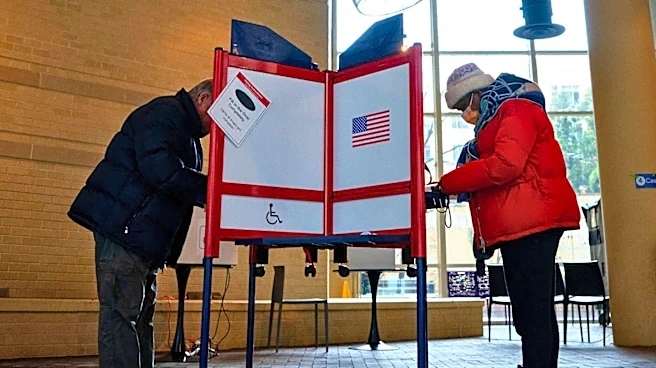
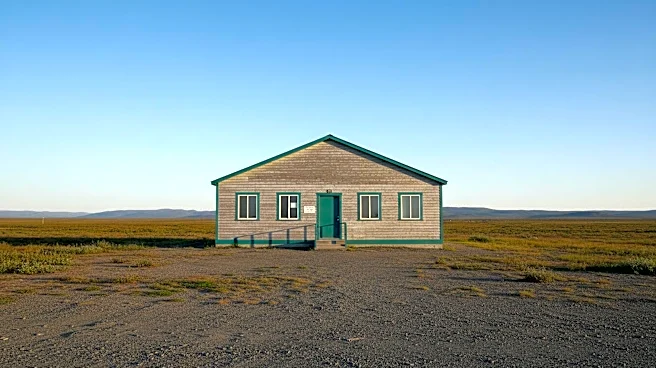
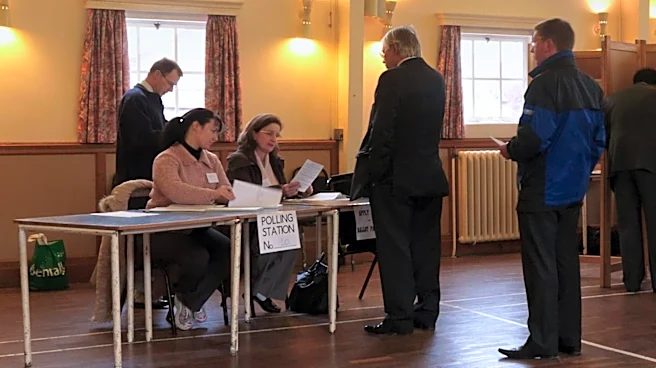
A polling place in Nunapitchuk, a village in the Yukon-Kuskokwim Delta, failed to open on time for Alaska's primary election, according to an Alaska Native voting organization. The polling location remained closed until 5 p.m. on Tuesday, significantly
reducing the voting window for the village's 343 registered voters to just three hours, compared to the 13 hours available to other Alaskan voters. Volunteers attempted to inform the Division of Elections about the closure earlier in the day. This incident is not isolated, as rural Alaska Native villages have experienced similar issues with polling places failing to open on time in previous elections, including the 2022, 2024 August primary, and 2024 November elections. Alaska lawmakers had previously passed legislation to improve rural voting access, which included hiring a rural voting coordinator, but Governor Mike Dunleavy vetoed it in April, citing insufficient time for implementation before this year's election.
Why It's Important?
The repeated failure of rural polling places to open on time in Alaska raises significant concerns about voter access and the integrity of the electoral process, particularly for Alaska Native communities. These delays disenfranchise voters by drastically shortening the time available to cast ballots, potentially impacting election outcomes and undermining democratic participation. The issue highlights systemic challenges in election administration in remote areas, including staffing and logistical hurdles. The veto of legislation aimed at addressing these problems suggests a lack of political will or perceived urgency in resolving these access barriers. This situation could lead to decreased voter turnout in rural areas and erode public trust in the fairness of elections, especially if the Division of Elections does not provide clear explanations or implement effective solutions.
What's Next?
The Alaska Division of Elections is expected to face continued scrutiny and pressure from Alaska Native groups and voting advocates to address the persistent issues with rural polling place accessibility. There will likely be calls for a thorough investigation into why the Nunapitchuk polling place, and others in the past, failed to open on time. Future legislative efforts to improve rural voting access may re-emerge, potentially with renewed urgency, despite the previous gubernatorial veto. Stakeholders will be looking for concrete steps from election officials to ensure adequate staffing, training, and logistical support for all polling locations, especially in remote areas, to prevent similar occurrences in upcoming elections. The incident may also prompt discussions about alternative voting methods or increased resources for rural election administration.
Beyond the Headlines
The recurring problems with rural polling places in Alaska underscore broader issues of equity and representation for indigenous communities in the United States. These communities often face unique challenges, including geographical isolation, limited infrastructure, and historical disenfranchisement, which can be exacerbated by inadequate election administration. The struggle for reliable voting access in rural Alaska reflects a national conversation about ensuring equitable participation for all citizens, particularly those in marginalized or remote areas. It highlights the need for tailored solutions that consider the specific circumstances of diverse populations, rather than a one-size-fits-all approach to election management. The ongoing advocacy by Alaska Native groups emphasizes the importance of community-led efforts in holding electoral systems accountable and pushing for reforms that uphold the right to vote for every eligible citizen.