






What's Happening?
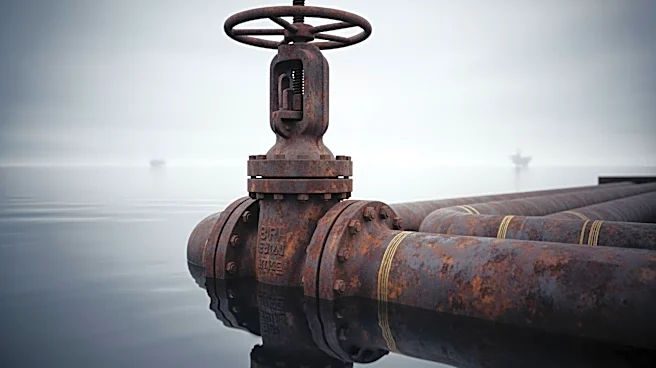
The Strait of Hormuz, a critical maritime chokepoint, is experiencing significant delays that are impacting global supply chains. These delays are not due to a complete closure but rather increased transit times and detention risks, which have led to volatile
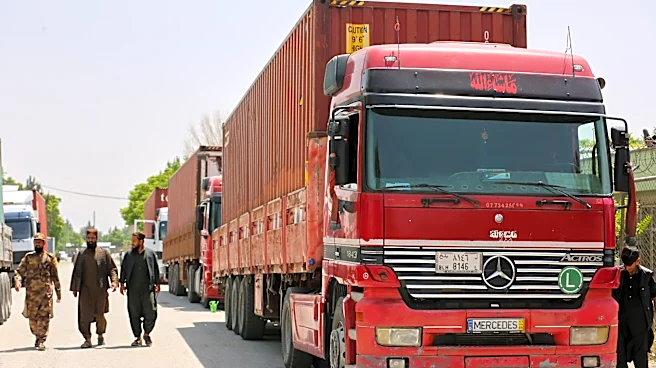
delivery schedules. This situation is causing downstream production losses, particularly affecting industries reliant on precise timing for inputs such as petrochemicals, ammonia, and industrial gases. The delays are resulting in missed berthing windows, port congestion, and disruptions in inland logistics, which are critical for continuous production processes in sectors like chemicals and food processing.
Why It's Important?
The disruptions in the Strait of Hormuz highlight a structural vulnerability in modern supply chains, which are more sensitive to timing instability than to outright shortages. This has significant implications for industries in the U.S. and globally, as delays can lead to production shutdowns and increased operational costs. The economic impact extends beyond the value of delayed goods, affecting the productive capacity of industries. This situation underscores the need for companies to reassess their risk management strategies, focusing on timing resilience and contractual alignment to mitigate potential losses.
What's Next?
Companies are likely to review and adjust their supply chain strategies to better handle timing-based disruptions. This may include diversifying supply routes, increasing buffer inventories, and revising contractual terms to address delay risks. Additionally, insurance structures may need to be reevaluated to ensure coverage for timing-related losses. As the situation evolves, businesses will need to stay informed about geopolitical developments and maritime security conditions that could further impact supply chain stability.
Beyond the Headlines
The legal and commercial implications of these delays are complex, as traditional risk allocation frameworks may not adequately address the current challenges. Force majeure defenses are weakened, and insurance claims are shifting towards business interruption scenarios. This situation calls for a reevaluation of legal and insurance strategies to better protect against downstream risks. The broader impact on global industries could lead to long-term shifts in supply chain management practices, emphasizing the importance of timing precision and operational flexibility.