


What's Happening?
A federal law mandating impairment-detection devices in all new cars has survived attempts to strip its funding but remains stalled due to questions about the readiness of the technology. The law, part of the $1 trillion infrastructure package signed
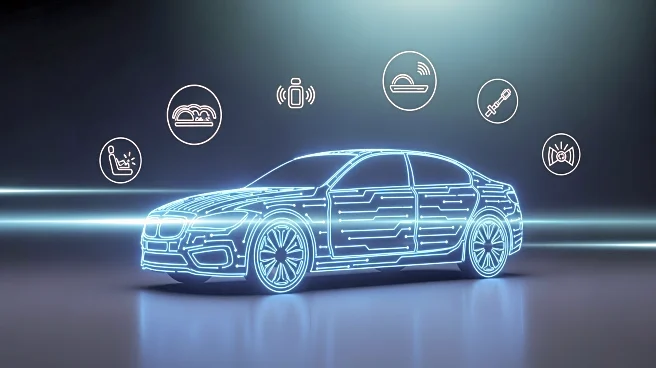
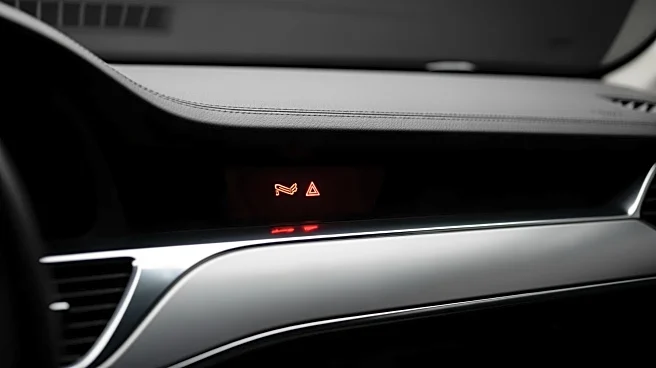
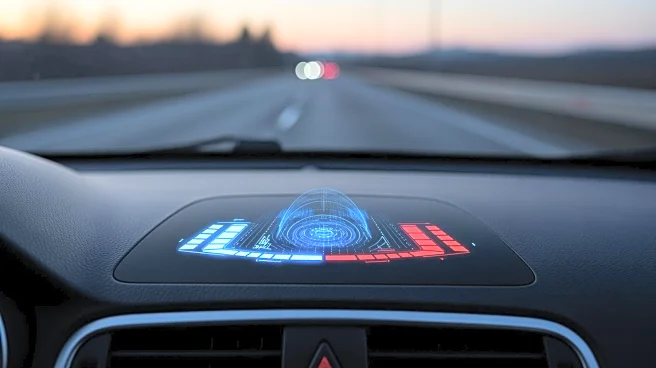
by then-President Joe Biden in 2021, aims to reduce the over 10,000 alcohol-related deaths on U.S. roads annually. It requires auto manufacturers to implement technology that can passively detect when drivers are impaired and prevent the vehicle from operating. Despite support from organizations like Mothers Against Drunk Driving, the implementation has been delayed by regulatory hurdles and concerns from automakers about the technology's reliability. A Republican-led effort to defund the law was defeated in the U.S. House, but a bill to repeal it entirely is pending a committee vote.
Why It's Important?
The delay in implementing impairment-detection technology in vehicles has significant implications for public safety and the automotive industry. If successfully deployed, the technology could drastically reduce alcohol-related traffic fatalities, saving thousands of lives each year. However, the concerns about false positives and the readiness of the technology highlight the challenges of balancing innovation with safety and reliability. The debate also touches on privacy issues, with some opponents fearing government overreach. The outcome of this legislative and technological challenge could set a precedent for future safety regulations in the automotive industry.
What's Next?
The National Highway Traffic Safety Administration is expected to report back to Congress soon on the feasibility of the technology, with predictions that a decision may be pushed to 2027. Meanwhile, a bill in Congress proposes a $45 million prize for the first consumer-ready technology, aiming to accelerate development. The automotive industry and safety advocates will continue to monitor developments closely, as the decision will impact manufacturing processes and regulatory compliance. The ongoing debate may also influence public opinion and legislative actions regarding vehicle safety technologies.