






What's Happening?
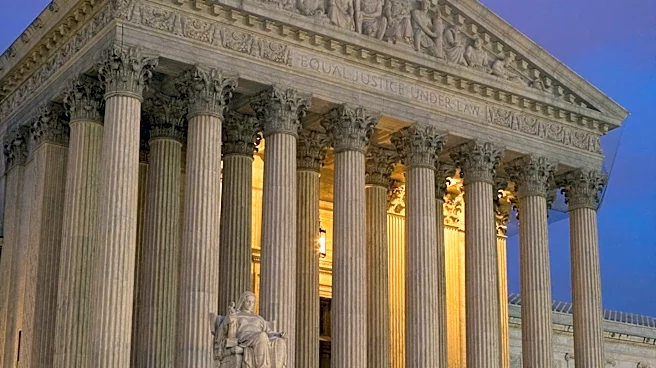
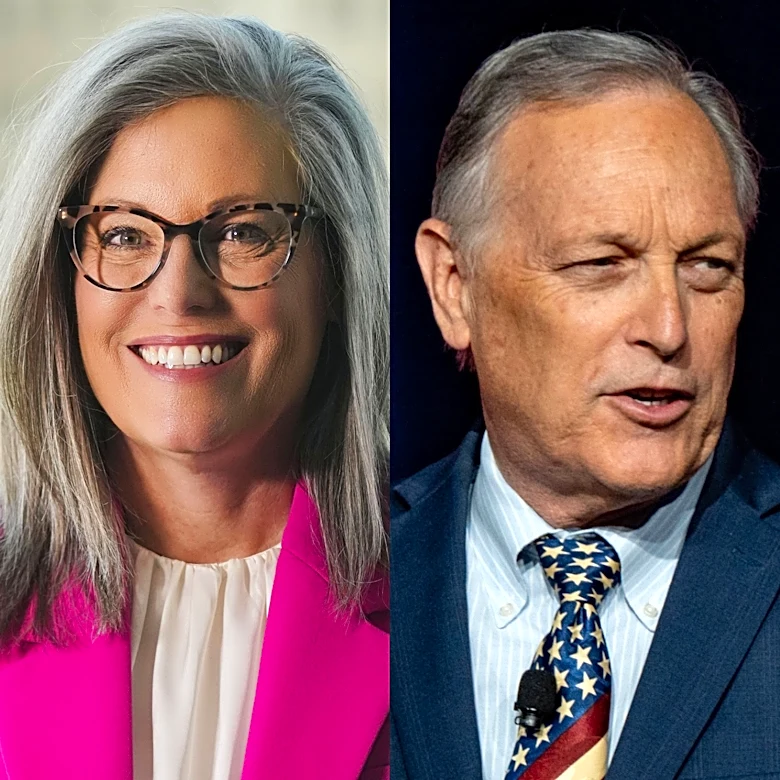
Iowa Attorney General Brenna Bird has filed a lawsuit before the Supreme Court, arguing that U.S. states should not be able to sue over mergers that have been approved by the federal government and various foreign countries, including China, Saudi Arabia,
South Korea, and Kuwait. The lawsuit specifically references the Paramount-Warner Brothers merger as an example. According to Alvaro Bedoya, if this lawsuit is successful, it would prevent Iowans from seeking recourse if an agricultural conglomerate acquires another seed company, meatpacker, or processor within Iowa, provided the federal government has approved the merger. Bedoya highlights that this action would effectively nullify the nation's first antitrust law, which was originally passed in Iowa.
Why It's Important?
This lawsuit by the Iowa Attorney General carries significant implications for antitrust enforcement and states' rights within the U.S. legal system. If successful, it could severely curtail the ability of individual states to challenge corporate mergers and acquisitions, even when those deals are perceived to harm local economies or consumers. This would centralize antitrust authority primarily at the federal level, potentially reducing avenues for redress for state-specific concerns. For industries like agriculture, which are vital to Iowa's economy, this could mean less protection against consolidation, potentially leading to reduced competition, higher prices for farmers and consumers, and fewer choices in the market. Furthermore, the argument that federal and international approval should preempt state lawsuits challenges a long-standing principle of cooperative federalism in antitrust matters, where both federal and state authorities play a role in maintaining competitive markets. The outcome of this case could set a precedent that weakens state-level consumer protection and antitrust efforts nationwide.
What's Next?
The Supreme Court will now consider whether to hear the lawsuit filed by Iowa Attorney General Brenna Bird. If the Court decides to take the case, it will involve complex legal arguments concerning the balance of power between federal and state governments in antitrust enforcement, as well as the interpretation of existing antitrust laws. Legal experts and advocacy groups will likely closely monitor the proceedings, given the potential for a landmark decision that could reshape the landscape of corporate regulation in the U.S. Stakeholders, including other state attorneys general, consumer protection organizations, and industry groups, may file amicus briefs to support or oppose Iowa's position. The ultimate ruling could either affirm states' rights to pursue antitrust actions independently or significantly restrict their authority, leading to a more uniform, federally-driven approach to merger oversight. The decision will have lasting effects on how corporate consolidation is challenged and regulated across the country.
Beyond the Headlines
Beyond the immediate legal and economic ramifications, this lawsuit touches upon deeper philosophical questions about the nature of federalism and the role of states in a globalized economy. The argument that international approvals should influence domestic state-level legal actions suggests a complex interplay between national sovereignty, international trade agreements, and local governance. It raises questions about whether states should have the autonomy to protect their unique economic interests when those interests might conflict with broader federal or international economic policies. Furthermore, the potential nullification of Iowa's pioneering antitrust law highlights the historical significance of state-level initiatives in shaping national legal frameworks. This case could reignite debates about the appropriate balance between national economic efficiency and local democratic control, potentially influencing future legislative efforts to either strengthen or limit state regulatory powers in various sectors. The outcome could also impact public trust in government's ability to protect citizens from corporate overreach, depending on whether state or federal authority is ultimately prioritized.