




What's Happening?
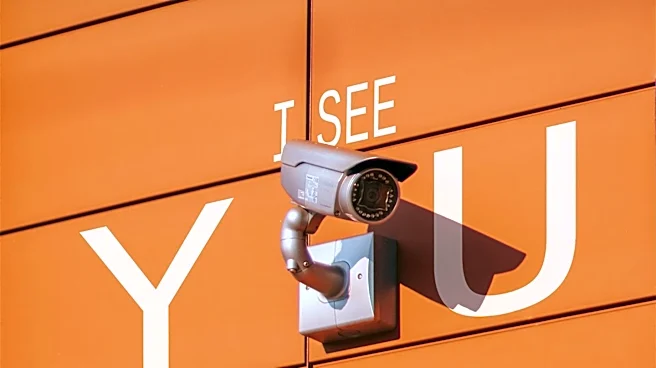
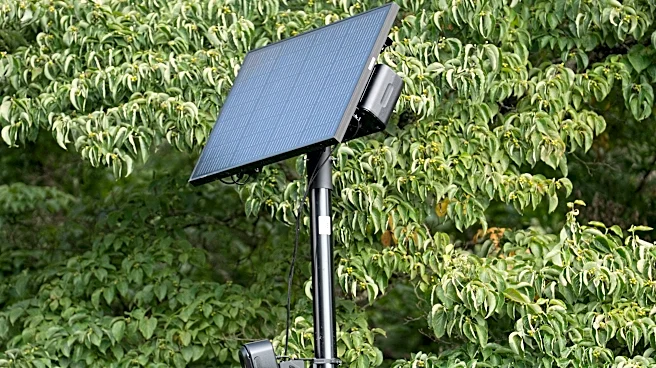
Case Dixon, a Republican congressional candidate, has announced his support for legislation aimed at restricting federal funding for municipalities that use automated license plate reader systems, such as those provided by Flock Safety. Dixon argues that these
systems pose a constitutional threat by enabling mass surveillance without judicial warrants, which he believes infringes on the Fourth Amendment rights of citizens. This announcement comes as Dixon prepares to challenge incumbent U.S. Representative Gary Palmer in a special primary election for Alabama's 6th Congressional District. The election was rescheduled following a Supreme Court decision that allowed Alabama to revert to its 2023 congressional maps, previously deemed racially discriminatory. Dixon's stance is inspired by U.S. Representative Thomas Massie, who plans to introduce similar legislation.
Why It's Important?
The issue of mass surveillance and privacy rights is a significant concern in the U.S., with implications for civil liberties and law enforcement practices. Dixon's proposal highlights the ongoing debate over the balance between public safety and individual privacy. If successful, this legislation could lead to changes in how municipalities fund and implement surveillance technologies, potentially affecting law enforcement capabilities and privacy protections nationwide. The outcome of this primary election could influence the legislative agenda on surveillance and privacy rights, impacting both local and national policy discussions.
What's Next?
The special primary election on August 11 will determine whether Dixon or Palmer will represent the Republican Party in the general election. If elected, Dixon plans to reintroduce the anti-surveillance legislation in Congress, assuming it does not pass before the end of Massie's term in 2027. The election results could also prompt reactions from privacy advocates, law enforcement agencies, and civil rights organizations, potentially influencing future legislative efforts and public discourse on surveillance and privacy.