







What's Happening?
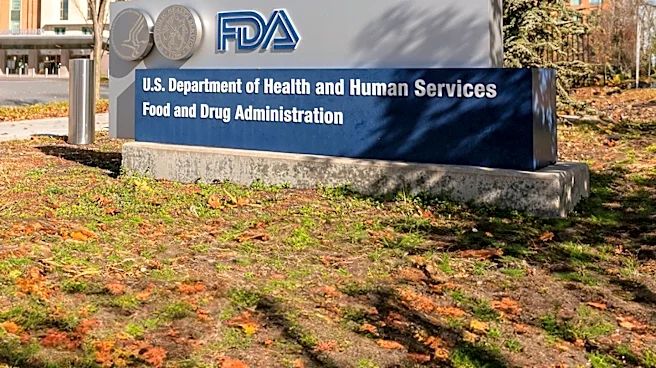
The U.S. Food and Drug Administration (FDA) has issued a request for information regarding the design and safety considerations for early clinical trials involving ibogaine drug products. Announced on October 5, 2026, this request invites public input
on how researchers should select participants, monitor safety, and determine when to conclude a study. The federal research effort prioritizes adults with opioid use disorder and post-traumatic stress disorder (PTSD) as target populations for investigation. Michael Davis, director of the FDA’s Center for Drug Evaluation and Research, highlighted the need for new treatments for conditions unresponsive to existing therapies, while also acknowledging the serious safety concerns associated with ibogaine. The FDA is specifically examining how initial trials could assess the body's processing of ibogaine, its cardiac effects, and the feasibility of managing risks through intensive monitoring. Preliminary design considerations include administering a single dose to small groups in an inpatient setting with continuous heart monitoring. The public comment period for this request is open until November 20, 2026.
Why It's Important?
This FDA request is a significant step in exploring the therapeutic potential of ibogaine, a psychedelic compound, for critical public health issues like opioid use disorder and PTSD. By soliciting public and expert input, the FDA aims to establish robust safety protocols and trial designs, which are crucial given ibogaine's known risks, such as QTc prolongation (a delay in the heart's electrical recovery) linked to life-threatening abnormal rhythms and fatalities. The focus on these specific conditions underscores the urgent need for alternative treatments, especially for patients who have not responded to conventional therapies. The outcome of this information-gathering phase will influence future research pathways and could potentially lead to new treatment options, impacting patient care, pharmaceutical development, and regulatory frameworks for psychedelic medicines in the U.S. It also signals a cautious but open approach by the FDA towards compounds with complex risk-benefit profiles.
What's Next?
Following the November 20, 2026, public comment deadline, the FDA will review all submitted evidence and perspectives. This input will inform the agency's decisions on the design and safeguards for future ibogaine clinical trials. While this request does not authorize any new treatments or establish final trial conditions, it lays the groundwork for potential future research. Researchers and pharmaceutical companies interested in developing ibogaine-based therapies will likely use the FDA's eventual guidance to structure their investigational new drug (IND) applications. The agency will need to determine the feasibility and safety parameters for proceeding with human trials, which could involve further preliminary studies on pharmacokinetics and cardiac safety. The scientific community, patient advocacy groups, and the public will be closely watching for the FDA's next steps, as these will dictate the pace and direction of ibogaine research in the U.S.
Beyond the Headlines
The FDA's exploration of ibogaine reflects a broader shift in medical research towards psychedelic compounds for mental health and addiction treatment. This initiative highlights the complex ethical and regulatory challenges associated with substances that have historical associations with illicit use but also demonstrate potential therapeutic benefits. The emphasis on rigorous safety protocols, particularly for a substance with known cardiac risks, underscores the FDA's commitment to patient safety while fostering innovation. This process could set precedents for how other psychedelic substances are evaluated and integrated into mainstream medicine. Furthermore, the public's involvement in shaping research design through requests for information signifies a move towards more transparent and collaborative regulatory processes, potentially influencing public perception and policy debates surrounding psychedelic-assisted therapies.