






What's Happening?
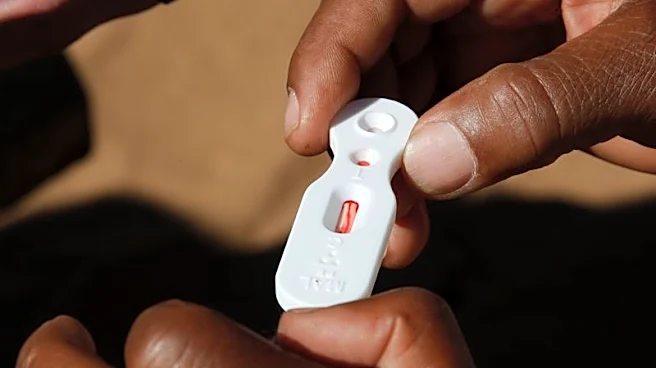
Ghana has declined a proposed health agreement with the United States due to concerns over data privacy. The deal, which was part of a broader initiative under the Trump administration, aimed to provide significant U.S. funding to support Ghana's public
health systems. However, Arnold Kavaarpuo, the executive director of Ghana’s Data Protection Commission, stated that the data access requested by the U.S. exceeded what was necessary, raising issues about the sovereignty and privacy of Ghana's health data. The agreement would have allowed multiple U.S. entities access to sensitive health data without prior approval from Ghana, which was a major point of contention. This decision follows similar rejections by other African nations like Zimbabwe and Zambia, who have also expressed concerns about data privacy and sovereignty.
Why It's Important?
The rejection of the U.S. health deal by Ghana highlights ongoing global concerns about data privacy and sovereignty, especially in international agreements involving sensitive information. For the U.S., this development could impact its strategic health partnerships in Africa, potentially affecting its influence and ability to support public health initiatives on the continent. For Ghana and other African nations, the decision underscores a growing emphasis on protecting national data and ensuring that international agreements do not compromise their autonomy. This situation may prompt a reevaluation of how such deals are structured, ensuring that they respect the data privacy concerns of partner countries.
What's Next?
Ghana has communicated its decision to the U.S. and is seeking improved conditions for a potential future agreement. This could lead to renegotiations where data privacy and governance are more adequately addressed. The U.S. may need to reassess its approach to international health agreements, particularly in terms of data sharing, to maintain and build partnerships with African nations. The outcome of these negotiations could set a precedent for future international health agreements, influencing how data privacy is handled globally.