








What's Happening?
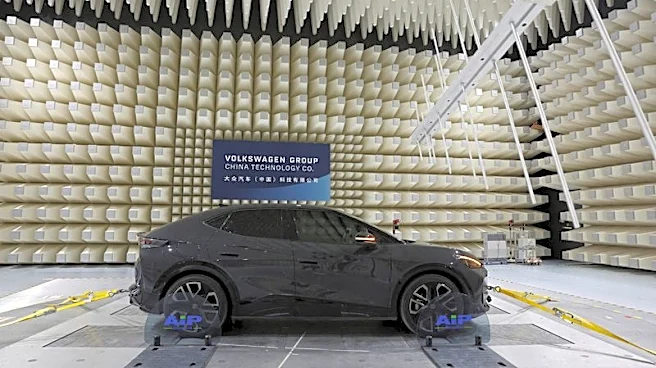
India is seeking to strengthen its electric vehicle (EV) supply chains through potential cooperation with Germany. As part of its commitment to achieving 30% electrification of new vehicles by 2030 and net-zero emissions by 2070, India faces challenges
due to its 100% import dependency on key minerals like lithium, cobalt, and nickel. These minerals are crucial for EV battery production, and much of their processing is concentrated in China. The Indo-German partnership aims to address these supply chain vulnerabilities by leveraging Germany's advanced technology and India's lower operating costs. The collaboration could involve joint investments in mining assets, processing plants, and recycling facilities.
Why It's Important?
This potential partnership is significant as it could enhance India's ability to meet its ambitious EV targets while reducing dependency on Chinese supply chains. By collaborating with Germany, India could gain access to advanced technologies and state financing, which are crucial for developing a resilient EV manufacturing ecosystem. This cooperation could also open new markets for both countries, improve bilateral trade relations, and contribute to global efforts in reducing carbon emissions. For Germany, the partnership offers an opportunity to expand its automotive industry footprint in India and access a growing market for EVs.
What's Next?
India and Germany are expected to explore specific areas of collaboration, including financing, innovation, and infrastructure interoperability. The Indo-German Green and Sustainable Development Partnership and the KfW Raw Materials Fund may be leveraged for joint investments. Both countries will likely work on aligning EV standards and protocols to facilitate market access and enhance supply chain resilience. The success of this partnership could serve as a model for other countries seeking to strengthen their EV supply chains and reduce reliance on single-source suppliers.