









What's Happening?
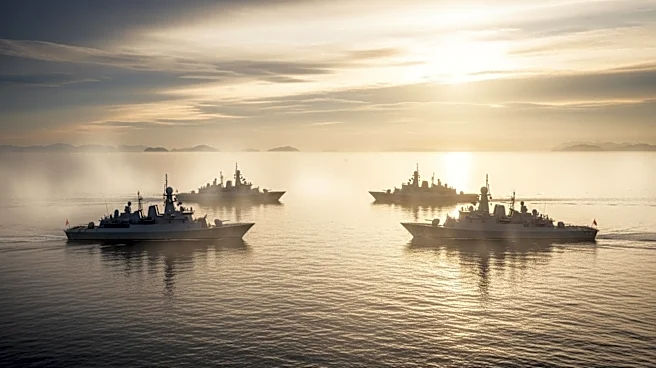
NATO is conducting its largest naval exercise in the Baltic Sea this year, known as BALTOPS, which began on June 4 and will continue until June 20. The exercise involves 20 vessels from 15 nations and approximately 6,000 personnel. Concurrently, Russia
has conducted its own military drills in the region, specifically in and near its Kaliningrad exclave, from June 8 to June 9. These Russian exercises involved around 10 military aircraft, including fighter jets and bombers, as well as two small missile ships. Kaliningrad, a heavily militarized area, serves as the headquarters of Russia's Baltic Fleet and is strategically located between NATO members Lithuania and Poland.
Why It's Important?
The simultaneous military exercises by NATO and Russia highlight the ongoing tensions and strategic posturing in the Baltic region. For NATO, these exercises are a demonstration of military readiness and a show of solidarity among member nations in response to perceived threats from Russia. For Russia, conducting drills in Kaliningrad underscores its commitment to defending its interests in the region. The presence of significant military forces from both sides in close proximity raises the stakes for potential miscalculations or escalations, impacting regional security dynamics and international relations.
What's Next?
As the exercises continue, both NATO and Russia are likely to monitor each other's activities closely. The outcome of these drills could influence future military strategies and diplomatic engagements between NATO and Russia. Additionally, the exercises may prompt discussions among NATO members regarding defense strategies and resource allocations in Eastern Europe. The international community will be watching for any signs of increased tensions or diplomatic efforts to de-escalate the situation.