






What's Happening?
The National Oceanic and Atmospheric Administration (NOAA) has announced the conclusion of the La Niña climate pattern, with expectations for an El Niño to develop later this year. This shift in climate patterns is significant as El Niño, characterized
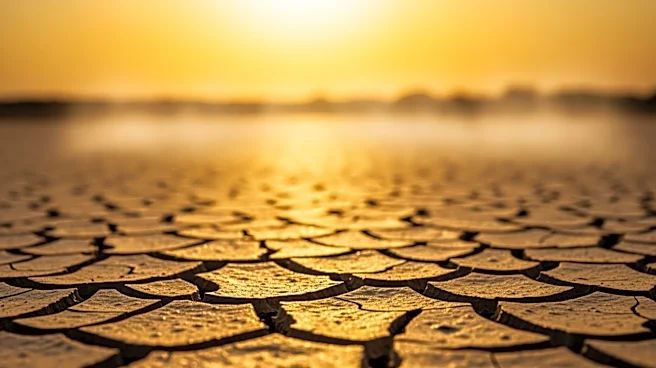
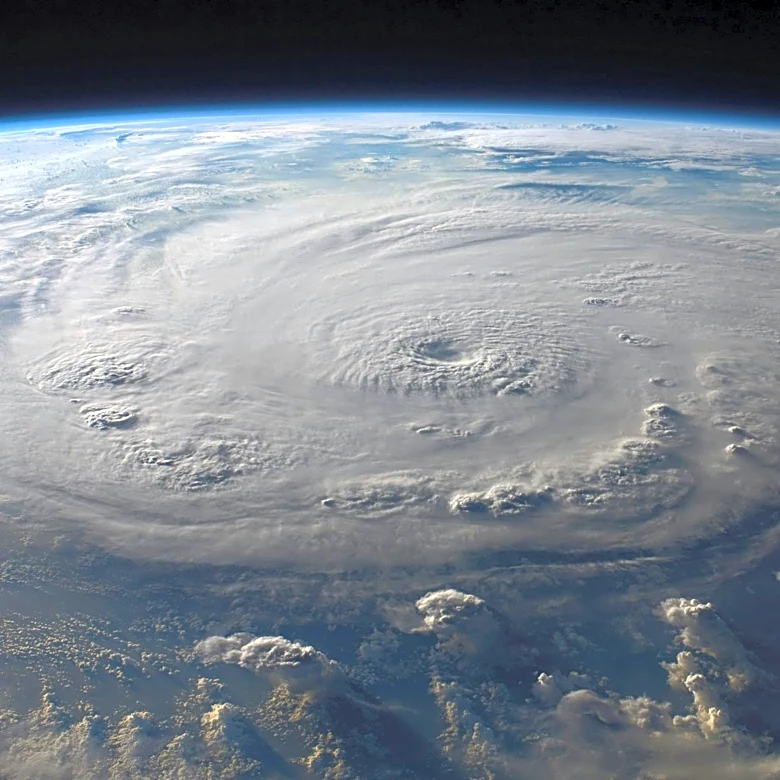
by the warming of Pacific Ocean waters, can lead to some of the hottest years on record. The announcement has raised concerns among forecasters about the potential for unprecedented global heat extending into 2027. Historically, El Niño has been associated with increased global temperatures, such as the record-breaking worldwide average temperature in 2024. Additionally, El Niño can influence hurricane activity, typically reducing it in the Atlantic while increasing it in the Pacific.
Why It's Important?
The transition from La Niña to El Niño has substantial implications for global weather patterns and climate conditions. In the United States, this could affect agricultural productivity, water resources, and energy consumption due to changes in temperature and precipitation patterns. The potential for increased global temperatures poses challenges for public health, infrastructure, and ecosystems, necessitating preparedness and adaptation strategies. Furthermore, the impact on hurricane activity could alter disaster preparedness and response efforts, particularly in coastal regions. Stakeholders in various sectors, including agriculture, energy, and emergency management, must consider these potential changes in their planning and operations.
What's Next?
As the El Niño pattern develops, meteorologists and climate scientists will closely monitor its progression and impact on global weather systems. Governments and organizations may need to update their climate adaptation and mitigation strategies to address the anticipated changes. Public awareness campaigns could be initiated to inform communities about potential weather-related risks and necessary precautions. Additionally, international cooperation may be required to address the broader implications of global climate shifts, particularly in regions vulnerable to extreme weather events.