




What's Happening?
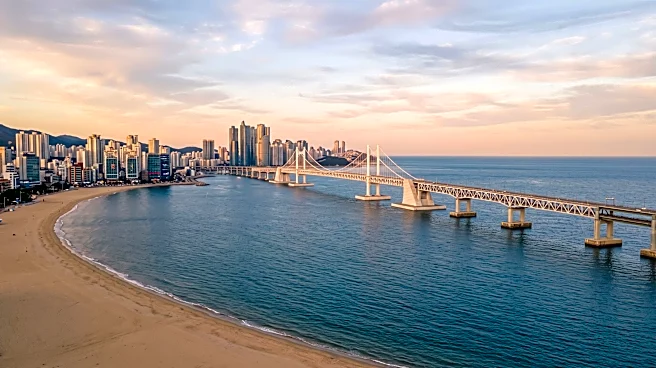
Hotels in Busan, South Korea, are significantly increasing their rates, in some cases up to four times their usual weekend prices, in anticipation of major autumn events like the Busan International Film Festival (BIFF) and the Busan Fireworks Festival.
For instance, a high-floor room at a three-star hotel overlooking Gwangalli Beach is priced at 1.1 million won ($800) for the fireworks festival night, compared to 280,000 won for a regular weekend in October. This practice has drawn criticism, with the Busan metropolitan government planning to send official letters to lodging businesses urging them to refrain from price gouging and to conduct intensive inspections. However, current laws offer limited avenues to penalize hotels that set their own maximum rates. The city is exploring options like consulting with the Busan lodging association for voluntary price stability and certifying businesses that maintain fair prices. This issue previously arose during a K-pop concert in June, where average nightly rates surged by 2.4 times, and some hotels canceled existing bookings to resell rooms at higher prices.
Why It's Important?
The issue of price gouging in Busan's tourism sector highlights a broader challenge faced by popular tourist destinations globally, including those in the U.S., where high-demand events can lead to exploitative pricing. While the immediate impact is on tourists and the local image of Busan, the lack of legal frameworks to control such practices could set a precedent or encourage similar behavior in other regions. For U.S. travelers considering international destinations, this situation underscores the importance of booking accommodations well in advance and being aware of potential price fluctuations during peak seasons or major events. The efforts by the Busan government to encourage voluntary price stability and revise laws could serve as a model for other cities grappling with similar issues, aiming to protect consumers and maintain a positive tourism image. Conversely, the inability to effectively penalize hotels demonstrates the complexities of regulating market prices in a free economy, where businesses are often within their legal rights to set their own rates.
What's Next?
The Busan metropolitan government intends to send official letters to lodging businesses, urging them to avoid price gouging. They will also conduct intensive inspections ahead of the upcoming festivals. The central government is reportedly revising relevant laws to address the lack of legal standards for fair prices, which could provide authorities with more power to intervene in the future. Until these laws are revised, the city plans to consult with the Busan lodging association to encourage voluntary price stability and is considering a certification program for businesses that maintain fair pricing. Special crackdowns on price gouging at the district and county levels are also anticipated before the major festivals. The hotel industry itself is concerned that a few instances of price gouging are harming Busan's overall image as a tourist destination, suggesting potential internal pressure for self-regulation.
Beyond the Headlines
This situation in Busan touches upon the ethical considerations of capitalism and tourism. While businesses are generally free to set prices, excessive increases during periods of high demand can be perceived as exploitative, damaging the long-term reputation of a destination. The debate over 'fair prices' versus market-driven pricing is a recurring one in the tourism industry. The reliance on voluntary compliance and the slow pace of legal reform highlight the challenges in balancing business interests with consumer protection. If left unchecked, such practices could deter future tourism, especially from international visitors who might feel exploited. The incident also raises questions about the role of local governments in regulating private businesses to preserve public interest and the overall visitor experience, potentially influencing policy discussions in other global tourism hubs, including those in the U.S., regarding consumer safeguards during major events.