








What's Happening?
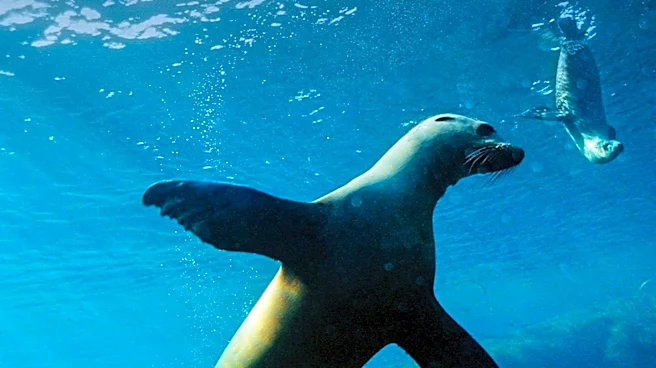
A group of open-water swimmers in San Francisco Bay experienced a terrifying encounter with an aggressive sea lion near Albany Bulb over Labor Day weekend. Teri Hudson, a member of the 'Blue Boobies' swim group, described the interaction as an 'attack,'
though no one was bitten. The sea lion, which swimmers had observed appearing lethargic on the beach prior to the incident, pursued and circled the swimmers, prompting them to use their buoys for defense and quickly return to shore. This event follows several sightings of dead or ill sea lions in the area around Labor Day, including a fur seal that died on the beach. Swimmers suspect the animals may be suffering from domoic acid toxicity, a neurological poisoning affecting California sea lions, which has seen a spike in cases along the California coastline. The Marine Mammal Center has reported an unusually high number of sea lion rescues due to domoic acid poisoning, with over 150 rescued since the beginning of the year, and more than 110 of those since July 1.
Why It's Important?
This incident highlights growing concerns about marine mammal health in U.S. coastal waters, particularly the increasing prevalence and unpredictability of domoic acid poisoning in California sea lions. The aggressive behavior exhibited by the sea lion, potentially linked to illness, poses a direct safety risk to recreational water users and underscores the broader ecological impact of environmental changes. The Marine Mammal Center notes that while sea lion attacks are rare, the disease has become more unpredictable and intense, with cases appearing outside typical seasonal windows and across varying ocean conditions. This trend suggests a potential long-term shift in marine ecosystem health, impacting not only wildlife but also human activities in coastal areas. The situation also raises questions about the effectiveness of current monitoring and response efforts for sick marine animals, as the Marine Mammal Center is reportedly backed up with calls.
What's Next?
The Marine Mammal Center advises the public to maintain a distance of at least 150 feet from marine mammals and to exit the water calmly if approached. They also urge reporting sick or injured animals to their hotline, acknowledging that response times may be delayed due to high call volumes. Further testing would be required to confirm if the sea lion involved in the Albany Bulb incident was indeed suffering from domoic acid toxicity. Continued monitoring of sea lion populations and research into the causes and patterns of domoic acid poisoning are crucial. Local authorities and environmental organizations may need to increase public awareness campaigns regarding safe interactions with marine wildlife and the signs of distressed animals. Swimmers in the affected areas are already exercising increased caution, with some opting to avoid areas where sea lions are present.
Beyond the Headlines
The recurring issue of domoic acid poisoning in marine mammals, and its potential link to warmer ocean waters, points to a deeper environmental crisis. Swimmers in the area have expressed 'eco-grief' over the sight of dying animals, recognizing it as a visible symptom of a changing climate. This situation transcends immediate safety concerns, touching upon the ethical responsibility of humans towards wildlife and the long-term consequences of environmental degradation. The unpredictability of these events, as noted by the Marine Mammal Center, suggests that traditional ecological patterns are being disrupted, potentially leading to more frequent and severe interactions between humans and wildlife. This could necessitate a re-evaluation of coastal management strategies and public education efforts to adapt to these evolving environmental challenges and foster a greater understanding of human impact on marine ecosystems.