
What's Happening?
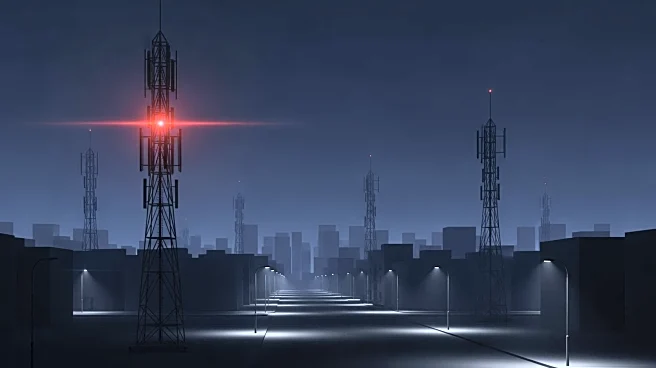
Iran has disconnected its internet and telephone lines, isolating its 85 million citizens from the global community. This move comes amid widespread protests over the country's economic struggles, marking
the third such blackout since 2019. The Iranian government has previously used similar tactics during demonstrations, notably in 2019 and following the 2022 death of Mahsa Amini. The current blackout severely limits the ability of Iranians to share images and accounts of the protests, potentially providing cover for a government crackdown. Despite the restrictions, some information is still being transmitted via Starlink, although the service is illegal in Iran and faces jamming efforts by the government.
Why It's Important?
The internet blackout in Iran highlights the government's efforts to control information flow and suppress dissent. This action not only impacts the ability of Iranians to communicate with the outside world but also raises concerns about human rights violations during the protests. The use of Starlink, despite being illegal, underscores the lengths to which citizens will go to maintain communication. The situation poses a significant challenge to international observers and human rights organizations trying to monitor the situation. The blackout could also affect Iran's relations with other countries, particularly those advocating for internet freedom and human rights.
What's Next?
The continuation of the internet blackout could lead to increased international pressure on Iran to restore connectivity and respect citizens' rights to free expression. Human rights organizations and foreign governments may call for transparency and accountability regarding the treatment of protesters. The Iranian diaspora, particularly in the U.S. and Europe, may increase advocacy efforts to draw attention to the situation. If the protests continue and the blackout persists, it could lead to further instability within the country and complicate diplomatic relations.