






What's Happening?
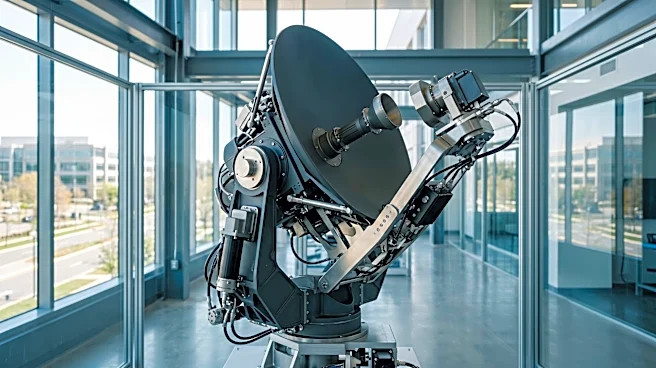
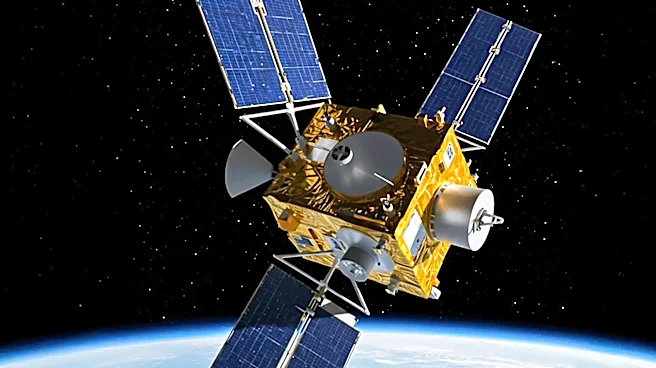
The Space Systems Command (SSC) is actively involved in the comprehensive lifecycle of space systems for the U.S. Space Force, encompassing the conception, design, acquisition, launch, and operation of satellites, launch vehicles, ground control systems,
and range operations. This broad engagement highlights SSC's critical role in maintaining and advancing the nation's space capabilities. The SSC also supports the Missile Defense Agency's Space Capabilities office, providing technical expertise and assisting with acquisition and development requirements. This collaboration ensures mission success across various projects, including the DSS demonstration program. Furthermore, SSC's activities extend to supporting the Defense Systems Group (DSG) at The Aerospace Corporation, which offers analysis-based decision support to senior leaders on space architectures, policy, strategy, and technology development. This integrated approach underscores the SSC's central position in the national security space enterprise.
Why It's Important?
The extensive involvement of the Space Systems Command in all phases of space system development and operation is crucial for U.S. national security and technological leadership. By overseeing the entire lifecycle from conception to operation, SSC ensures that the U.S. Space Force has access to cutting-edge and reliable space assets. This is vital for maintaining a strategic advantage in an increasingly contested space domain. The collaboration with entities like the Missile Defense Agency and The Aerospace Corporation signifies a concerted effort to integrate diverse expertise and resources, leading to more robust and effective space capabilities. The continuous development and deployment of advanced satellite and launch technologies directly impact the nation's ability to conduct intelligence, surveillance, reconnaissance, and communication operations, which are indispensable for both military and civilian applications. The success of these endeavors safeguards critical infrastructure and supports various economic sectors reliant on space-based services.
What's Next?
The ongoing efforts of the Space Systems Command suggest a continued focus on innovation and strategic partnerships to enhance U.S. space capabilities. Future developments are likely to include further advancements in satellite technology, more efficient launch systems, and sophisticated ground control operations. The emphasis on supporting the Missile Defense Agency indicates a sustained commitment to missile defense architectures, which will likely see the integration of new space-based sensors and communication relays. Additionally, the collaboration with research and development entities like The Aerospace Corporation points towards continuous exploration of emerging technologies and strategies to address evolving threats and challenges in space. These initiatives will aim to ensure the U.S. maintains its leadership in space, adapting to new technological landscapes and geopolitical dynamics.
Beyond the Headlines
The comprehensive role of the Space Systems Command extends beyond mere technical operations; it embodies a strategic imperative for the U.S. to secure its interests in the final frontier. The development and maintenance of advanced space systems have profound implications for global power dynamics, influencing everything from military intelligence to economic competitiveness. The ethical considerations surrounding space militarization and the responsible use of orbital resources are increasingly pertinent. As more nations and private entities enter the space domain, the SSC's work in ensuring secure and resilient operations becomes a cornerstone of international stability. The long-term impact of these efforts will shape future technological advancements, inspire scientific exploration, and potentially lead to new paradigms in global communication and resource management, underscoring the critical importance of a robust and forward-thinking space command.