




What's Happening?
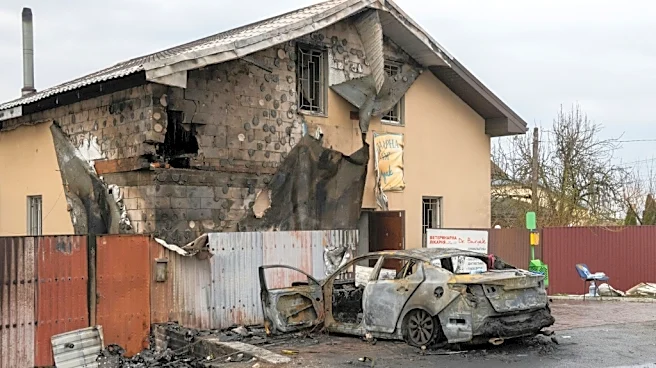
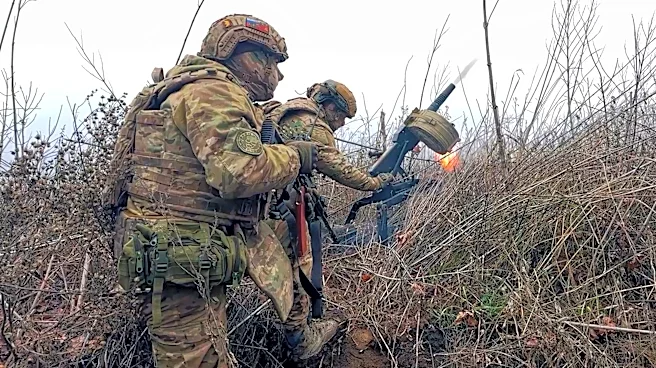
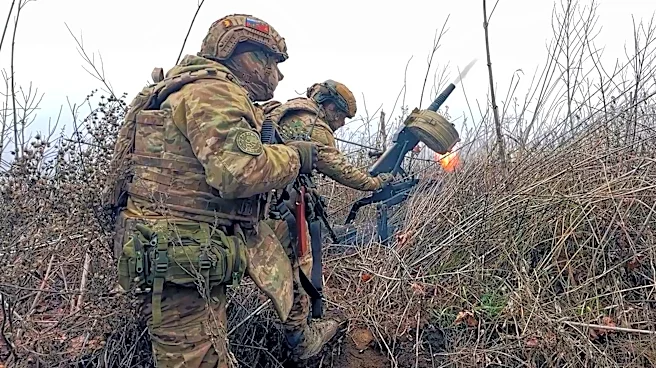
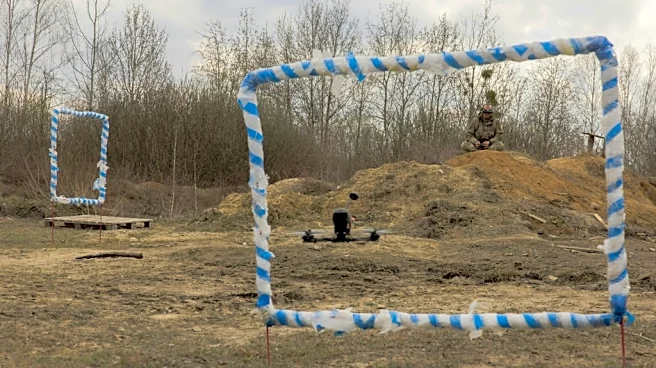
Russia and Ukraine have exchanged deadly strikes, resulting in the deaths of 10 people and injuries to several dozen more. The Russian Defense Ministry reported that its forces used long-range precision weapons and drones to target military-industrial
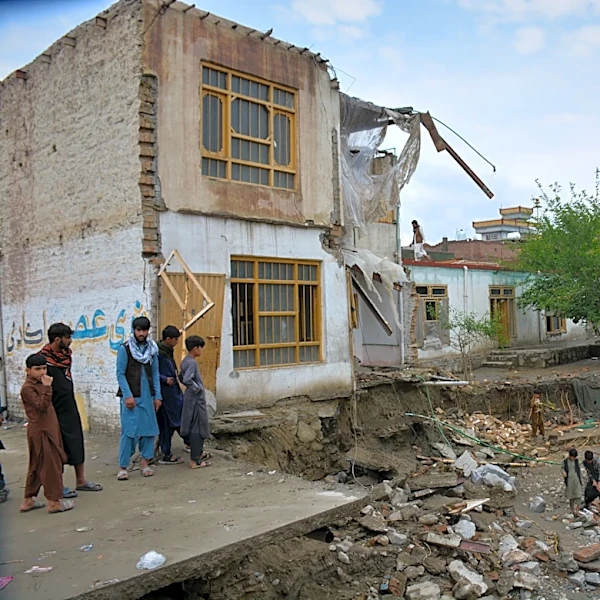
and energy facilities in Ukraine. In response, Ukraine's Air Force claimed to have downed 260 out of 286 drones launched by Russia. The attacks have caused significant damage in various regions, including Nikopol and Sumy, where market stalls and residential areas were hit. Ukrainian President Volodymyr Zelenskyy is currently in Istanbul for talks with Turkish President Recep Tayyip Erdogan, focusing on strengthening security cooperation.
Why It's Important?
The ongoing conflict between Russia and Ukraine continues to have severe humanitarian impacts, with civilian casualties and infrastructure damage. The strikes highlight the persistent volatility in the region and the challenges in achieving a ceasefire or peace agreement. The involvement of international leaders, such as President Zelenskyy's discussions with Turkey, underscores the broader geopolitical implications and the need for international cooperation to address the crisis. The conflict also affects global energy markets and regional security dynamics, particularly in Eastern Europe and the Middle East.
What's Next?
The situation remains tense, with potential for further escalation as both sides continue military operations. International diplomatic efforts may intensify to seek a resolution, but the path to peace remains uncertain. The involvement of external actors, such as Turkey, could influence future negotiations and security arrangements. Monitoring the developments in military strategies and international diplomatic engagements will be crucial in understanding the conflict's trajectory.