







What's Happening?
King Charles is currently on his summer break in Scotland, spending time at the Castle of Mey, a royal residence with a storied and eerie history. The castle, located in Caithness on the Scottish coast, has been in the royal family since 1952 when it was
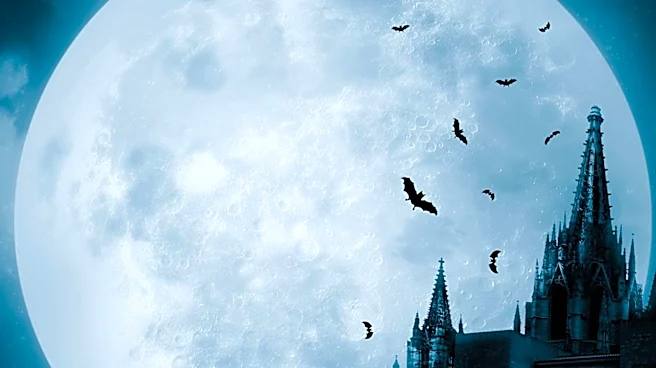
purchased by Queen Elizabeth. Despite its status as a beloved retreat, the castle is reputed to be haunted, with tales of ghostly apparitions and supernatural occurrences. The most famous legend involves The Green Lady, believed to be Lady Fanny Sinclair, who reportedly haunts the castle after a tragic love affair led to her death. Visitors and staff have reported strange phenomena, such as doors closing on their own and lights flickering, particularly on the top floor where Lady Fanny is said to have died.
Why It's Important?
The haunting tales of the Castle of Mey add a layer of intrigue and cultural significance to the royal family's history, drawing interest from both historians and the public. Such stories contribute to the mystique surrounding the British monarchy, enhancing its allure and the public's fascination with royal traditions and residences. The legends also highlight the intersection of history and folklore, illustrating how narratives can shape perceptions of historical sites. For the tourism industry, these tales can boost visitor numbers, as people are often drawn to locations with rich and mysterious pasts.
What's Next?
As King Charles continues his retreat at the Castle of Mey, the stories of its haunted past are likely to persist, potentially attracting more visitors interested in its history and supernatural lore. The royal family may continue to use the castle as a private retreat, maintaining its status as a cherished residence. Meanwhile, the legends surrounding the castle may inspire further exploration and documentation by historians and paranormal enthusiasts, keeping the stories alive for future generations.
Beyond the Headlines
The tales of the Castle of Mey reflect broader themes of how folklore and history intertwine, influencing cultural heritage and identity. Such stories can serve as a reminder of the human tendency to create narratives that explain the unexplainable, often rooted in historical events. The persistence of these legends also underscores the role of storytelling in preserving cultural memory, offering insights into societal values and fears across generations.