


What's Happening?
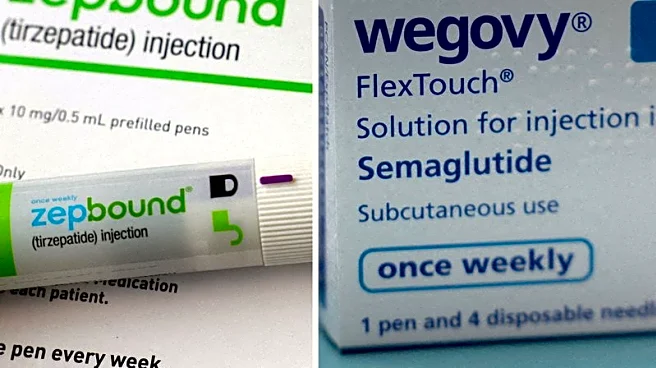
The U.S. Food and Drug Administration (FDA) has approved an oral version of the GLP-1 receptor agonist drug, Wegovy, developed by Novo Nordisk. This marks the first time an oral GLP-1 drug has received FDA approval. Originally developed for type 2 diabetes,
GLP-1 drugs like Wegovy and Ozempic have gained popularity for their significant weight loss effects, with some users losing 15-20% of their body weight. This approval is expected to make the drug more accessible to those who are deterred by the injectable form. The approval comes amid growing research and interest in GLP-1 drugs for weight management, particularly among midlife women.
Why It's Important?
The approval of an oral GLP-1 drug is significant as it could increase accessibility and acceptance among patients who are uncomfortable with injections. This development is particularly relevant for the weight loss industry, which has seen a surge in demand for effective treatments. The ability to take these medications orally may lead to broader adoption and potentially improve adherence to treatment regimens. Additionally, the approval highlights the FDA's recognition of the evolving role of GLP-1 drugs beyond diabetes management, potentially influencing future research and development in the pharmaceutical industry.
What's Next?
With the FDA's approval, Novo Nordisk is expected to begin distribution of the oral version of Wegovy, potentially expanding its market reach. The pharmaceutical industry may see increased competition as other companies seek to develop similar oral formulations. Healthcare providers will likely update their prescribing practices to include the new oral option, and insurance companies may adjust coverage policies accordingly. Ongoing research will continue to explore the full potential and long-term effects of GLP-1 drugs, including their impact on weight management and metabolic health.
Beyond the Headlines
The approval of an oral GLP-1 drug raises questions about the broader implications for healthcare access and equity. As these drugs become more mainstream, there may be discussions about affordability and insurance coverage, particularly for populations that have historically faced barriers to accessing weight loss treatments. Additionally, the shift from injectable to oral medications could influence patient perceptions and acceptance of pharmaceutical interventions for weight management, potentially reducing stigma associated with obesity treatments.